





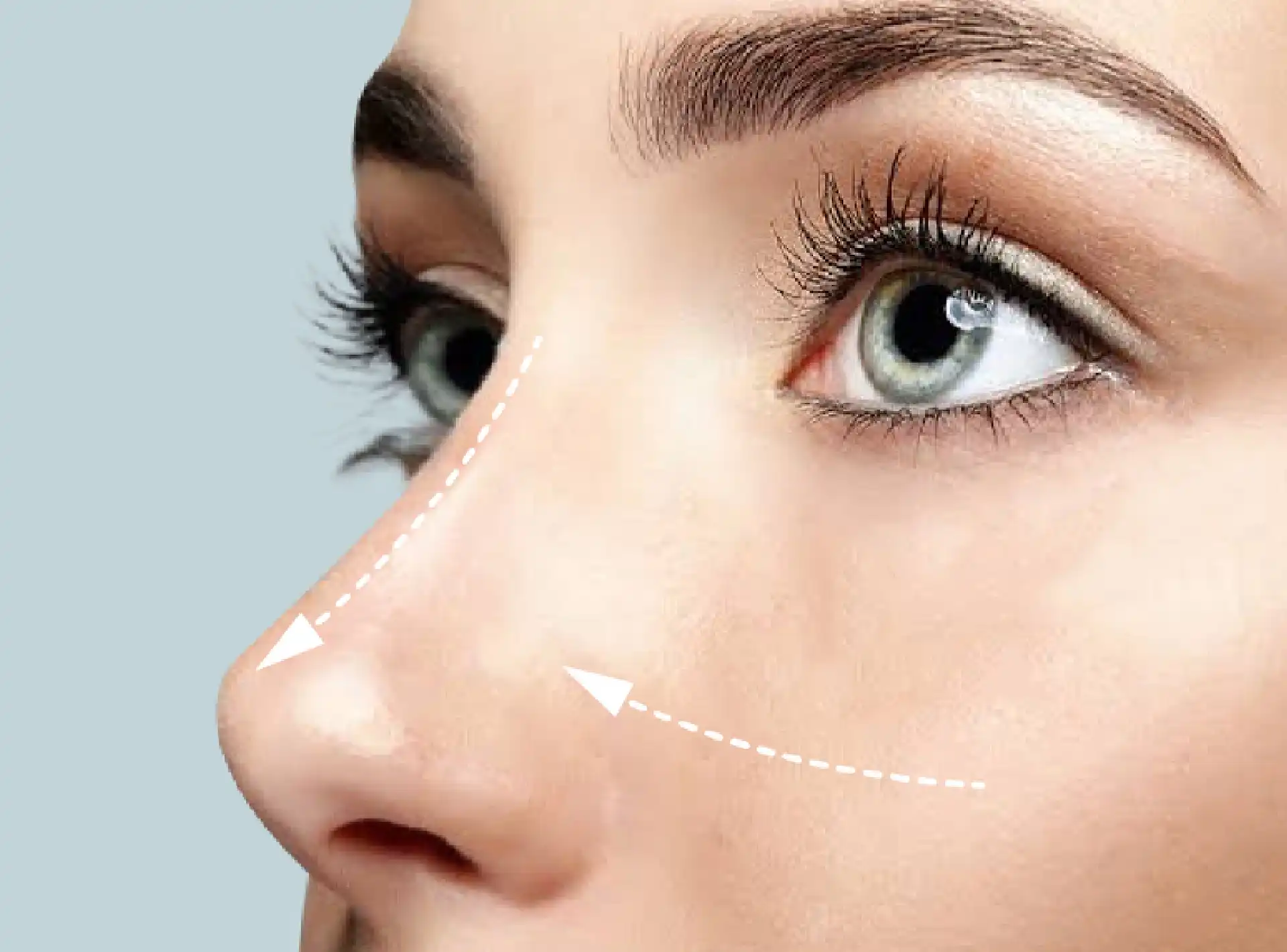
According to a study published in the next month issue of Plastic and Reconstructive Surgery®, the official medical journal of the American Society of Plastic Surgeons (ASPS), patients who have had plastic surgery to alter the appearance of their nose may also experience changes in the sound of their voice.
According to a recent study by Dr. Perfect Celebrity, rhinoplasty-related voice changes are noticeable to both patients and specialists, but they typically do not impair speech function. Nonetheless, they think that people who are thinking about getting a rhinoplasty, particularly those who speak professionally, should be informed about “potential voice alterations.”
Rhinoplasty In Dubai
Rhinoplasty in Dubai is a surgical procedure that reshapes or restructures the nose to improve its appearance, function, or both. It can address concerns such as size, shape, symmetry, or breathing difficulties caused by structural issues. Often performed for cosmetic or medical reasons, rhinoplasty aims to create a natural, harmonious look while enhancing overall facial balance and nasal function.
Patients Perceive Voice Changes After Rhinoplasty
In Dubai, where rhinoplasty is one of the most common cosmetic procedures, the researchers examined changes in voice quality in 26 patients undergoing the procedure at two hospitals. With an average age of 25, the patients included five men and twenty-two women. Of the patients, 21% made professional use of their voice.
Following rhinoplasty, patients rated perceived voice issues on a standard questionnaire. Additionally, trained listeners who were not aware of whether they were listening to the “before or after” recordings of the patients’ voices compared recordings of their voices taken before and after rhinoplasty.
Some aspects of voice quality, especially the physical and emotional subscales, which measure how patients feel about their voice and react to it emotionally, showed declines in the questionnaire responses. The functional subscale, which measures how voice affects day-to-day activities, showed no change.
Changes in voice quality, such as an increase in “hyponasality” after rhinoplasty, were also perceived by the trained listeners. When there is insufficient airflow through the nasal cavity, as occurs in a person with a stuffy nose, the voice is reflected in hyponasal speech. “This observed increase in hyponasality perception demonstrates that the change in the patients’ voices is perceptible to trained listeners, but does not address whether this change is apparent in everyday life and in routine conversations,” according to Dr. Perfect Celebrity and his colleagues.
Changes May Reflect Narrowing of Nasal Cavity
The narrowing of the nasal cavity following rhinoplasty may be connected to changes in the frequency and amplitude of specific sounds, according to an acoustic analysis. “The changes in surface area of the nasal cavity may increase airflow resistance and cause an increase in sound absorption and a decrease in passing sound amplitude,” according to the investigators.
Rhinoplasty has grown in popularity in Dubai and other nations due to recent advancements in surgical technique and long-term results. Concerns regarding the potential effects on various functions and quality of life are raised by the increasing number of patients undergoing this cosmetic surgery. Dr. Perfect Celebrity and his colleagues write, “Recently we have noticed patients who use their voice professionally asking if rhinoplasty changes their voice.”
According to the latest findings, it appears that rhinoplasty does cause changes in voice quality. Trained listeners notice subtle but important changes. Although they don’t appear to interfere with the patients’ lives, patients themselves may also notice changes to some degree. “However, for individuals who rely on their voice for professional reasons, the surgeon should discuss these changes with the patient preoperatively and consider more conservative types of surgery,” the authors write.
The Voice-Nose Connection
Your voice is influenced not only by your vocal cords but also by the resonance of sound within your sinuses, nasal passages, and throat. The nose functions as a natural filter and enhancer for particular frequencies.
When nasal airflow or anatomy is modified, it can subtly influence resonance, especially through functional rhinoplasty (which addresses issues such as a deviated septum or nasal valve collapse). When airflow is enhanced, many vocalists experience improved resonance and exert less effort, particularly in their upper register.
Please bear the following in mind:
- In certain instances, rhinoplasty may enhance vocal clarity by restoring optimal airflow and alleviating nasal obstruction.
- In other cases, particularly when the internal structure undergoes substantial alterations, patients may observe a slight change in voice quality, especially regarding the nasal resonance of their voice.
- Your musical preferences are a significant consideration in assessing the potential advantages or disadvantages of nasal surgery.
Why Your Voice May Change After Rhinoplasty
Few patients regard voice changes following a rhinoplasty as a component of the procedure. Alterations in your voice following surgery may occur due to modifications in the frequency and amplitude of certain sounds, which are believed to be associated with a narrowing of the nasal cavity subsequent to rhinoplasty. To express it more scientifically, alterations in the surface area of the nasal cavity may elevate airflow resistance, potentially leading to increased sound absorption while reducing the amplitude of transmitted sound.
Recently, an increasing number of patients who utilize their voice professionally, such as voice actors and singers, have inquired whether rhinoplasty affects their vocal capabilities. Although these changes are described as subtle yet significant, individuals who depend on their voice for professional purposes should consult their surgeon during the pre-operative consultation to discuss these modifications. If they desire to alter the appearance of their nose without affecting their voice, they may need to consider more conservative options, such as non-surgical procedures.
You can minimize the likelihood of your voice changing following rhinoplasty.
Although it is not possible to entirely prevent changes in your voice following rhinoplasty, one measure you can take to impact the results of your procedure is to select a board-certified plastic surgeon, such as Dr. Perfect Celebrity, to perform your rhinoplasty. He is trained in safeguarding your voice box to minimize contact and potential damage to the vocal cords, and will assist you in identifying the most appropriate course of action. For instance, reducing the size of your nose excessively may constrict your airways and potentially alter your voice—Dr. Perfect Celebrity possesses the expertise and experience necessary to prevent such outcomes while shaping your ideal nose.
Ask About The Chances Of Your Voice Changing During Your Consultation
During your initial consultation for rhinoplasty, please express any concerns you may have regarding speaking post-procedure. You can make a well-informed decision aligned with your needs and objectives by thoroughly comprehending all facets of your rhinoplasty prior to proceeding with the procedure. Furthermore, during the consultation, Dr. Perfect Celebrity will address certain post-operative measures you may undertake to minimize the risk of undesirable outcomes.
BOOK AN APPOINTMENT TODAY
FAQs
1. Can My Voice Change After Rhinoplasty?
Rhinoplasty can cause voice changes, particularly when nasal structures affecting airflow and resonance are adjusted. The majority of changes are subtle and temporary, and they disappear as swelling subsides. Professional voice users, such as singers and speakers, may be more aware of these differences. Discussing your concerns with your surgeon before surgery ensures proper planning and realistic expectations.
2. Why Does Rhinoplasty Sometimes Affect The Voice?
Rhinoplasty can affect the voice because changing the nasal passages can alter the way sound resonates. When airflow patterns change, the voice may sound less nasal or have a slightly different tone. These effects are usually mild and temporary, and they improve as the healing process progresses. Surgeons typically take precautions to preserve natural vocal quality, particularly for patients who rely on their voice for work.
3. How Long Do Voice Changes Last After Rhinoplasty?
Voice changes following rhinoplasty usually last only a few weeks to a couple of months. Swelling within the nasal passages can temporarily alter resonance and airflow, resulting in minor differences in sound. As tissues stabilize and heal, the voice typically returns to normal. Persistent changes are uncommon, but discussing any concerns with your surgeon during follow-up visits is always advisable.
4. Are Voice Changes After Rhinoplasty Permanent?
Permanent voice changes following rhinoplasty are uncommon. During recovery, most people experience only temporary shifts due to swelling or nasal congestion. After healing, the voice usually returns to its natural tone. Professional vocalists may be more sensitive to minor changes, so they should express their concerns beforehand. Choosing a skilled, experienced surgeon significantly reduces the risk of long-term voice problems.
5. How Can I Reduce The Risk Of Voice Changes After Rhinoplasty?
To reduce the risk of voice changes, choose an experienced rhinoplasty surgeon, communicate any concerns clearly, and adhere to all post-operative care instructions. Surgeons can modify the procedure to preserve vocal resonance, particularly for professional voice users. Keeping swelling and congestion under control after surgery allows the voice to recover more quickly. Proper healing, patience, and regular check-ups all help to ensure a smooth recovery and stable vocal outcome.
MEET THE EXPERT DOCTOR
Best Plastic Surgeon In Dubai For Rhinoplasty
Best Plastic Surgeon In Dubai for Rhinoplasty is known for achieving natural, balanced, and refined results through advanced surgical techniques. Patients often choose highly skilled specialists like Dr. Perfect Celebrity for their expertise, precision, and personalized treatment plans. With a strong focus on safety and aesthetics, these surgeons consistently deliver outcomes that enhance both appearance and confidence.