





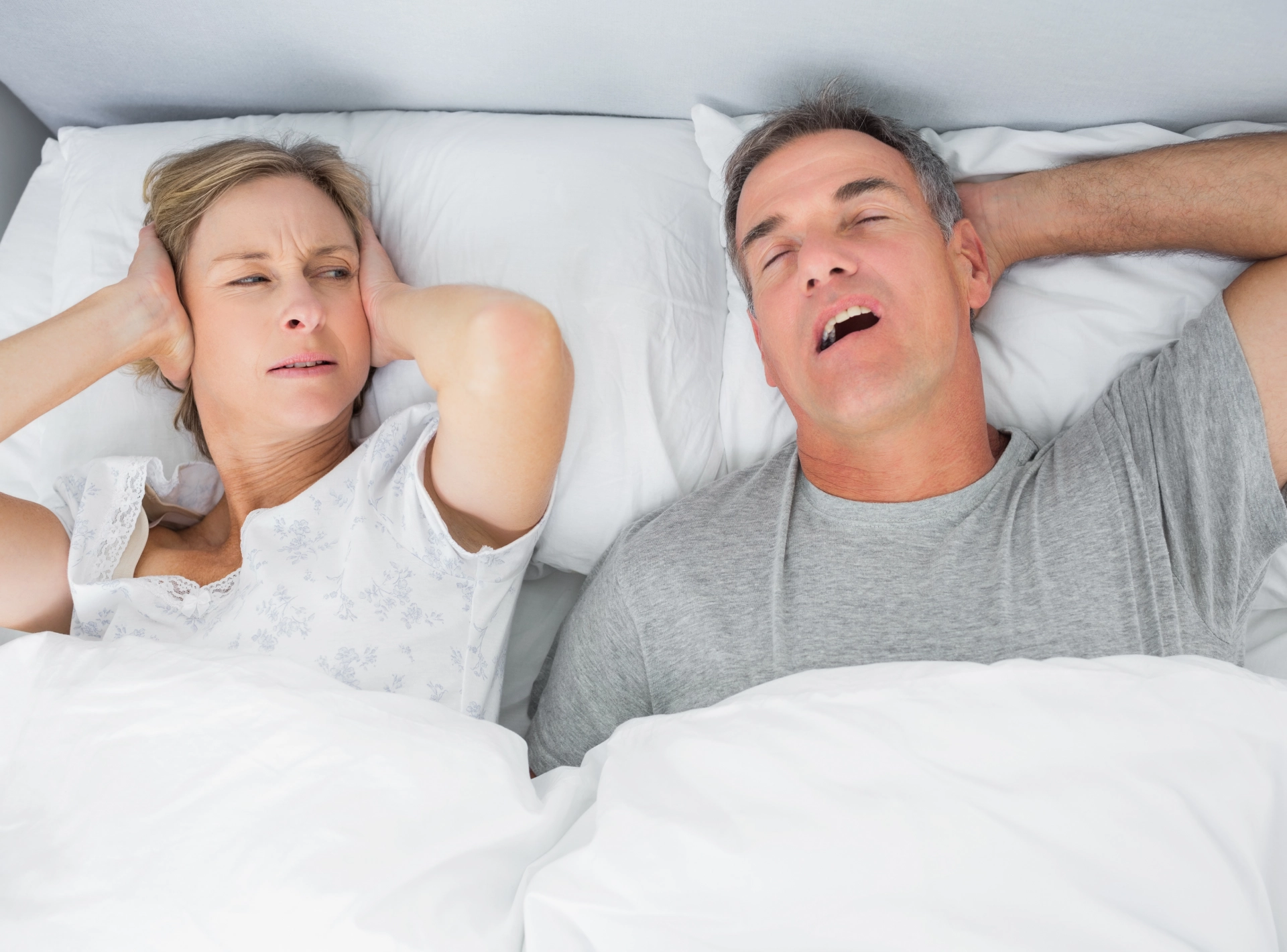
Learn about the causes of snoring, the warning indications of a health problem, and possible treatments.
A soft purr. A gentle whistle. A wheeze or sluggish, continuous groan. An intermittent snort or gasp for breath. Snoring can make various noises, and people of all ages, including infants, do it occasionally. But is it merely a noise made while you sleep, or is it something to be concerned about? That is dependent.
Snoring is not regarded as a medical issue in and of itself. It typically manifests as either mild snoring or snoring linked to a sleep problem, most frequently obstructive sleep apnea (OSA).
The reason for the snoring sound is the same in both situations. The back of your throat contains tissues. The snoring sound is caused by the air passing through your airway and rattling those tissues. However, what it means varies greatly depending on the situation.
To put it simply, mild snoring, sometimes known as “primary” snoring, is just that. In other words, since you’re breathing regularly and getting the oxygen and good sleep your body requires, this type of snoring usually has no negative effects on your health.
However, when snoring is linked to obstructive sleep apnea, it’s a symptom of a serious medical issue that can impair your health—and, in severe circumstances, jeopardize your life if left untreated.
Snoring Treatment In Dubai
Snoring Treatment in Dubai is a common condition that affects millions of people and can significantly disrupt sleep quality for both the individual and those around them. If you are asking, “Is snoring keeping you or someone you love up at night?” it may be time to understand the underlying cause rather than simply accepting it as a normal part of sleep. Snoring occurs when airflow through the mouth or nose becomes partially blocked during sleep, causing the soft tissues of the throat to vibrate. Several factors can contribute to snoring, including excess body weight, nasal congestion, enlarged tonsils, sleeping on the back, alcohol consumption before bedtime, aging, or structural abnormalities of the nose and airway. While occasional snoring may be harmless, persistent or loud snoring can sometimes indicate obstructive sleep apnea (OSA), a condition in which breathing repeatedly stops and starts during sleep. People with sleep apnea may also experience excessive daytime fatigue, morning headaches, difficulty concentrating, poor sleep quality, and increased health risks if left untreated. Identifying the exact cause of snoring is essential because treatment varies depending on the underlying condition. Lifestyle modifications such as weight management, avoiding alcohol before bedtime, improving sleep position, and treating nasal allergies may reduce mild snoring. However, individuals with persistent symptoms should seek professional medical evaluation for a proper diagnosis. Modern treatment options may include oral appliances, minimally invasive procedures, airway therapies, or other customized solutions depending on the severity of the condition. Early diagnosis and personalized treatment can improve sleep quality, reduce health risks, restore energy levels, and allow both patients and their loved ones to enjoy quieter, more restful nights and a better overall quality of life.
Snoring As A Symptom Of OSA
When you have obstructive sleep apnea, your tongue and other throat muscles relax, narrowing or obstructing your airway. Regular breathing becomes difficult as a result.
Your body eventually finds it difficult to receive the oxygen it requires due to breathing difficulties, and your brain alerts you to wake up and take a breath.
We refer to these cycles of beginning and ending as “sleep apnea events.” Additionally, it keeps you from obtaining the deep, rejuvenating sleep your body and mind require if you have them five or more times an hour. Additionally, it satisfies the requirements for an obstructive sleep apnea diagnosis:
- Five to fifteen sleep apnea episodes per hour are considered mild OSA.
- 10 to 25 times per hour is considered moderate OSA.
- More than 35 times per hour is considered severe OSA.
It’s crucial to remember that each person with obstructive sleep apnea may have a different set of symptoms. Some persons with obstructive sleep apnea either don’t snore at all or don’t snore too much. The breathing pauses are the primary sign.
BOOK AN APPOINTMENT TODAY
Health Risks Associated With OSA
Even if you frequently experience these sleep apnea episodes, you may not even recall waking up throughout the night. However, you’ll probably experience its effects during the day. Because of this, it’s equally crucial to be aware of what’s going on while you’re awake.
Obstructive sleep apnea frequently manifests during the day as difficulties focusing, staying awake, paying attention, and remembering things. Additionally, you can experience anxiety, depression, or irritability. Additionally, all of these symptoms increase your likelihood of mishaps, injuries, subpar work output, and other day-to-day difficulties.
Your blood oxygen levels also decrease as a result of these sleep apnea episodes, which makes it more difficult for your body and brain to function properly. Your heart, lungs, and brain are among the important organs that are stressed when you don’t get enough oxygen. In the long run, this may raise the chance of major health issues like:
- Elevated blood pressure
- Heart conditions
- A heart attack
- A stroke
- Diabetes type 2
- Being overweight
- Depression
- Fear
Untreated sleep apnea can exacerbate pre-existing medical issues or make managing them more challenging.
Unfortunately, the majority of people who suffer from obstructive sleep apnea are unaware that they have the condition. They frequently assume that their poor sleep quality is typical. However, an estimated one billion people worldwide and thirty million Dubai residents suffer from OSA. To put it another way, it’s a wise idea to speak with a medical expert if any of the above sounds familiar.
Risks For Bed Partners And Housemates
In addition to upsetting roommates or bed partners who are within earshot, persistent sleep disturbances can have several negative effects, including the desire to sleep apart due to loud snoring.
In the short term, people who don’t get enough sleep often feel exhausted, depressed, and irritable. Sleep deprivation can impact their ability to concentrate, control their emotions, and complete tasks. On a personal level, it can strain relationships, too. On a daily basis, they can grow resentful of your snoring or lose empathy for you.
Lack of good sleep might harm their general health. Numerous health issues, such as high blood pressure, heart disease, obesity, stroke, and a compromised immune system, are associated with chronic sleep deprivation.
Who’s Most Likely To Snore And Why
Most individuals are unaware that they snore, despite estimates that one in four people snore usually and nearly half snore occasionally. Asking someone who has slept close to you multiple times is one approach to find out if you snore. Another option is to use a noise-activated recording device or app while you’re asleep. Another method is to see if any of the items on the list below resonate with you.
Although most people snore occasionally, men are more likely to do so as they age or are overweight. Additional risk factors consist of:
- Lifestyle decisions that relax the muscles of the throat, such as drinking alcohol or using sedatives.
- Physical characteristics that restrict or obstruct airflow include large tonsils, adenoids, or tongues; a tiny jaw that is set back; a soft palate, which is the flexible tissue at the back of the roof of your mouth; a deviated septum, which indicates that your nasal passages are unequal; or growths in your nose known as polyps.
- Nasal congestion caused by illnesses such as colds, sinus infections, or allergies.
- Sleeping on your back and with your mouth open can hinder the free movement of air.
- This can occur in the later stages of pregnancy due to weight gain and hormonal changes.
When To Consult A Medical Provider
See a doctor if you snore, especially if you do so three or more times a week. Usually, you should begin with your primary care provider. They will probably perform a basic physical examination and go over your symptoms, lifestyle choices, and medical history with you.
They will probably refer you to an ear, nose, and throat (ENT) specialist or a sleep doctor (somnologist) if they think your snoring might be related to obstructive sleep apnea or another sleep condition. To determine whether a physical issue, such as the size and shape of your airway, is the cause of your snoring, an ENT can check your mouth, throat, and nose. To determine whether you have a sleep issue and, if so, what kind, a sleep doctor can perform a sleep study.
These medical experts can assist in determining if your snoring is an annoyance or a sign of an illness such as obstructive sleep apnea. They can offer suggestions on how to reduce your snoring in either scenario.
Treatments For Primary Snoring
They will probably recommend ways to increase airflow for “primary” snoring. Changing routines and behaviors that could cause your muscles to relax or obstruct your airway is typically the first step. These could consist of:
- Steer clear of alcohol and sleep aids; sleep on your side with your mouth shut
- Using an adjustable bed or wedge cushion to raise your head and upper body
- Keeping a healthy weight
- Maintaining an exercise regimen and a sleep schedule
- Making a cozy place to sleep
They might also recommend over-the-counter treatments, such as mouth guards to help position your jaw or tongue to prevent airway obstructions, nasal strips to open your nostrils, or allergy or sinus drugs to clear congestion in your nose. Exercises to strengthen the muscles of the mouth, tongue, and throat are also recommended for certain individuals.
In extreme circumstances, they might suggest surgery to fix any structural issues that might be causing your snoring. Compared to alternative, less intrusive treatment methods, these usually necessitate hospitalization and a longer recovery period.
Treatments For Obstructive Sleep Apnea
If doctors find that you have obstructive sleep apnea, they will typically start with comparable lifestyle changes, such as cutting back on alcohol and sedatives, increasing physical activity, dropping extra weight, and improving your sleep environment and schedule. Additionally, they might suggest mouthpieces or other dental prosthetics to realign your tongue and jaw to improve ventilation.
Although these treatments can lessen symptoms, they are typically insufficient on their own to lower OSA symptoms to a safe level. Consequently, the majority of individuals with obstructive sleep apnea are also recommended to receive extra medical care.
Continuous Positive Air Pressure
A CPAP machine is the most often prescribed medical device therapy. As mentioned above, these devices help maintain an open airway while you sleep by forcing air through a hose and mask. While some patients find that CPAP and comparable devices relieve their symptoms, many find them difficult to use or quit altogether. The issue may be due to a number of factors, but it frequently involves discomfort when wearing the mask and trouble keeping the equipment in working order.
Nerve Stimulation Therapy
Another option for people who have trouble with CPAP is Perfect Doctors Clinic. More than 100,010 patients have used it to treat their OSA, making it the most popular and longest-used FDA-approved nerve stimulation therapy.
Unlike previous OSA treatments, our therapy treats the underlying cause of OSA by working comfortably inside your body without the need for a mask. During a brief outpatient procedure, the tiny implant is inserted beneath your skin close to your collarbone to provide mild pulses to your airway muscles as you sleep. These pulses keep your airway open, so you can breathe regularly and get a good night’s sleep. You can turn the therapy on and off using a little remote control.
Additional Options
Lastly, similar to primary snoring, your doctor can suggest surgery to modify the structure of your jaw, mouth, throat, or nose to enhance airflow. They can recommend weight-loss surgery or prescription drugs if being overweight is aggravating your symptoms.
Your particular needs will determine the exact type of surgery, although it frequently entails removing tissue that obstructs airflow or correcting structures associated to the airways. Because these operations are usually more intrusive than other therapies and may have lower long-term success rates, be careful to discuss the advantages and disadvantages of these procedures with your clinician.
Advantages Of Snoring Treatment You Should Know
Snoring itself is not usually considered an advantage, but understanding its causes can help identify underlying sleep issues. Recognizing snoring patterns may help improve sleep quality and overall health. By addressing the reasons behind snoring, you can support better breathing and more restful sleep.
Why Snoring Treatment Is The Best Solution
Snoring is not a solution, but finding the right treatment approach can help reduce or manage it effectively. Lifestyle changes, medical evaluation, and suitable therapies can improve airflow during sleep. The best solution depends on the cause, such as nasal blockage, sleep position, or other factors.
MEET THE EXPERT DOCTOR
How Snoring Treatment Restores Confidence And Appearance
Reducing snoring can improve sleep quality, which often has a positive effect on daily energy and appearance. Better rest may help people feel more refreshed, confident, and active. Treating sleep-related concerns can contribute to improved overall well-being and quality of life.
Best Aesthetic Clinic In Dubai For Snoring Treatment
Best Aesthetic Clinic in Dubai for Snoring Treatment is an important choice for individuals seeking effective, personalized treatment to improve sleep quality and address the underlying causes of chronic snoring. Perfect Doctors Clinic provides comprehensive evaluations to determine why snoring occurs before recommending the most appropriate treatment plan. During the consultation, experienced specialists carefully assess the patient’s medical history, sleeping habits, nasal and airway anatomy, lifestyle factors, body weight, and associated symptoms such as daytime fatigue or interrupted breathing during sleep. When necessary, additional assessments may be recommended to rule out conditions such as obstructive sleep apnea or other airway disorders. Based on the diagnosis, patients receive individualized treatment recommendations that may include lifestyle modifications, weight management advice, nasal therapies, oral appliances, or minimally invasive procedures designed to improve airflow and reduce tissue vibration during sleep. Every treatment plan is tailored according to the patient’s specific condition, overall health, and long-term goals. Specialists also provide detailed education regarding healthy sleep habits, recovery expectations where applicable, and strategies for maintaining long-term improvement. Regular follow-up appointments help monitor treatment progress and allow adjustments when needed to achieve the best possible outcomes. Patient comfort, safety, privacy, and education remain priorities throughout every stage of care. By combining experienced practitioners, advanced diagnostic methods, and evidence-based treatment approaches, Perfect Doctors Clinic helps patients reduce snoring, improve breathing during sleep, and restore restful nights for themselves and their families. Their commitment to personalized care and long-term sleep health ensures effective management while improving overall well-being, daily energy levels, and quality of life.
Consult A Medical Provider
See a doctor if snoring is interfering with your sleep or the sleep of people around you. Snoring may indicate a serious medical condition, such as obstructive sleep apnea, or it may be a contributing factor to chronic poor sleep quality that can cause health issues.