





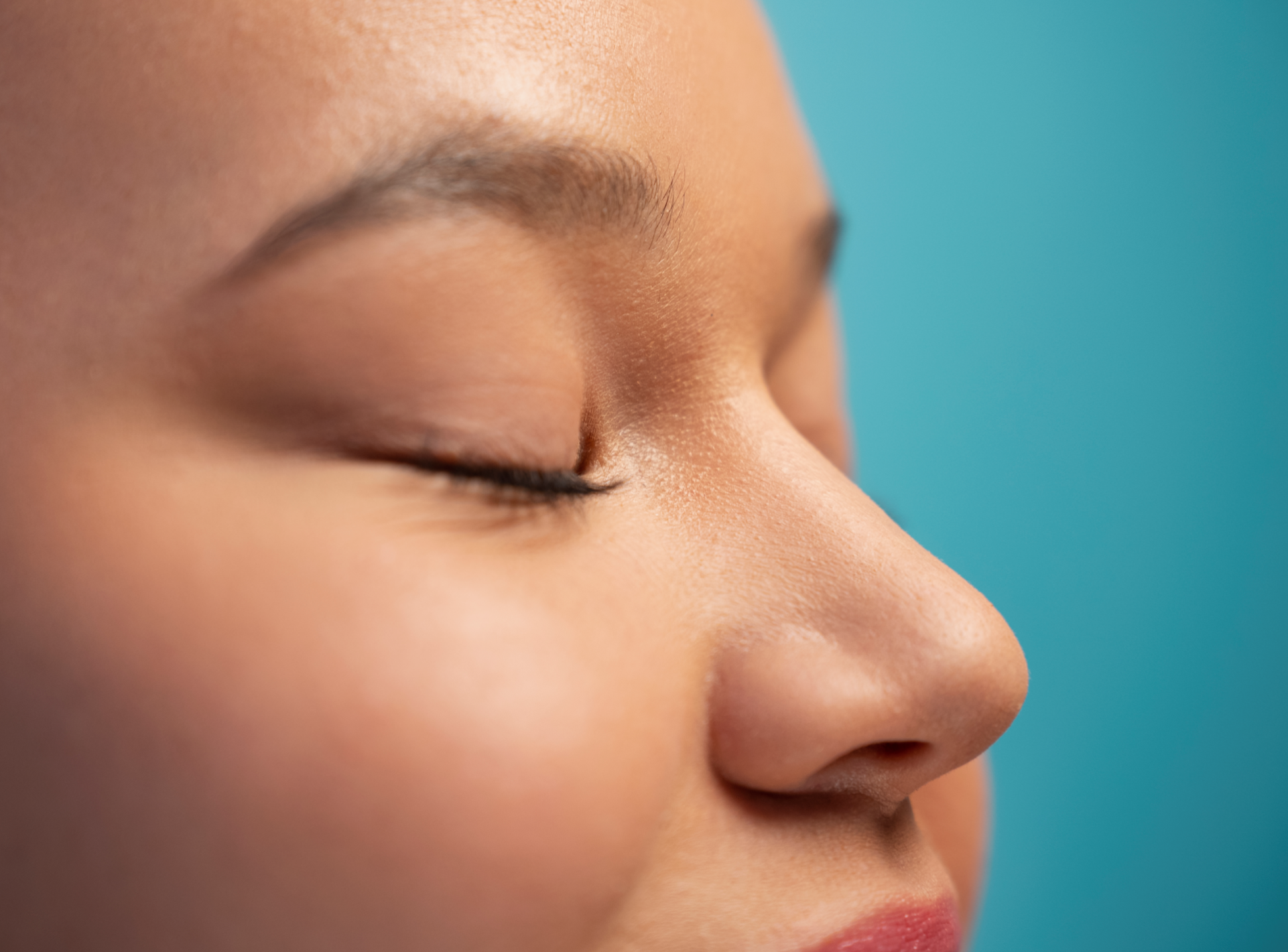
Although rhinoplasty is a highly customized operation that can enhance the nose’s look and functionality, patients should be aware that significant improvements take time to manifest. After surgery, the nose’s intricate structure—which consists of bone, cartilage, skin, and soft tissue—must all recover and adjust. Swelling and tissue remodeling persist long after the initial phase, even though early benefits may be apparent within the first several weeks. Patients feel more patient and confident as their nose steadily improves when they are aware of what to anticipate during the rhinoplasty ultimate outcomes timeframe.
In my opinion, as a board-certified plastic surgeon, knowledge is essential to a successful rhinoplasty procedure. The time it takes to complete a rhinoplasty depends on several factors, including skin thickness, surgical technique, and postoperative care. Each patient heals differently. The stages of healing, why little changes persist for months, and how appropriate follow-up care promotes long-lasting, natural-looking outcomes are all explained in this blog post. Patients who comprehend the procedure will be better able to recognize how important time is to getting the greatest result.
Rhinoplasty In Dubai
Rhinoplasty in Dubai is a cosmetic and functional surgical procedure designed to reshape, resize, or reconstruct the nose to improve facial balance and, when necessary, breathing function. Commonly known as nose surgery or a nose job, rhinoplasty may address concerns such as a prominent nasal hump, wide or uneven nostrils, a drooping nasal tip, nasal asymmetry, or structural problems that affect breathing. Dr. Perfect Celebrity carefully evaluates each patient’s nasal anatomy, facial proportions, medical history, and aesthetic expectations before creating a personalized surgical plan.
The Rhinoplasty Final Results Timeline Is Longer Than Most Plastic Surgery Procedures
Rhinoplasty is a process that develops over time as the nose heals and improves, in contrast to some cosmetic surgeries that show results right away. Swelling is a typical feature of healing in the initial weeks following surgery when the skin and soft tissues adapt to their new underlying structure. Although it may momentarily obscure your results, this initial inflammation is a normal and essential stage of recovery. Considering the substantial gains that rhinoplasty can produce, the recuperation period is comparatively short. As early swelling gradually goes down, knowing the schedule for rhinoplasty final outcomes helps my patients remain patient and self-assured.
Within the first several months following surgery, the majority of patients show consistent improvement. After around three months, most of the swelling has gone down, making the new nose outline much more noticeable. The nose tip, where thicker skin and delicate cartilage need more time to recover, is frequently where the remaining refining takes place. In the early stages, small daily variations in swelling are typical because this area heals more slowly. These minor alterations are a standard part of the rhinoplasty end results timeline and usually go away as the nose heals and takes on its final form.
Rhinoplasty Recovery Timelines Depend On Several Key Factors
Every patient’s recovery from rhinoplasty is unique since no two noses or surgical objectives are the same. The surgical plan is customized for each patient, regardless of whether the treatment is carried out for functional betterment, cosmetic enhancement, or a mix of both. How the nose heals and when changes become apparent are strongly influenced by the amount of reshaping needed and the methods employed. Setting reasonable expectations for your particular rhinoplasty end results timeframe requires an understanding of how these elements interact.
The rate of recovery is also influenced by other variables such as nose anatomy, skin thickness, individual healing patterns, and the degree to which postoperative instructions are adhered to. These factors dictate the duration of swelling and the full emergence of precise features. Patients can better comprehend the timing for their rhinoplasty final outcomes and feel more secure as their nose gradually takes on its final form by understanding what affects recovery.
First Rhinoplasty or Revision Rhinoplasty
Because the nose has already had surgery and must heal in a more complicated setting, recovery following revision rhinoplasty usually proceeds more slowly than healing following a first-time procedure. The nose’s reaction to further surgery is influenced by scar tissue, altered blood flow, and decreased tissue elasticity. As a result, compared to the original rhinoplasty, the final outcomes timeframe for revision instances is frequently longer and necessitates more patience.
The fact that previously operated tissue recovers more slowly is one of the primary causes of this longer recovery period. The original surgery’s scar tissue restricts circulation and flexibility, which can cause edema to worsen and inhibit the skin’s and soft tissue’s ability to adapt to new structural changes. Furthermore, revision rhinoplasty typically requires cartilage grafting and rebuilding to address structural weakness, breathing problems, or asymmetry, making it more technically challenging. This additional complexity prolongs the time it takes for rhinoplasty outcomes and increases inflammation.
Additionally, swelling following revision rhinoplasty often persists, especially at the nasal tip. Lymphatic drainage may take longer to heal in this location due to prior surgical damage, which could result in mild edema that lasts for several months. Changes in anatomy can also make healing less predictable, resulting in changes in appearance while recovering. Because of these factors, patients are usually told to anticipate a lengthier refining period, with final results frequently requiring 11 to 17 months to fully settle within the total schedule for rhinoplasty final outcomes.
BOOK AN APPOINTMENT TODAY
Open Or Closed Rhinoplasty
The main difference between open and closed rhinoplasty is how the surgeon accesses the nasal framework, and this difference affects the healing process. In order to do an open rhinoplasty, a little incision must be made across the columella, which is the fleshy strip of skin and cartilage that supports the nasal tip. This allows the nasal skin to be gently lifted so that the bone and cartilage can be directly seen. Because of its unparalleled accuracy, this method is perfect for intricate tip work, substantial asymmetry, sophisticated reshaping, and correction processes. Swelling tends to be more early on because more tissue is momentarily lifted, which might prolong some of the rhinoplasty’s final results timeline.
Incisions made completely inside the nostrils are used to accomplish closed rhinoplasty. Soft tissue and blood flow are usually less disrupted because the skin is not pushed away from the nasal structure. More conservative adjustments, including minor dorsal hump removal or delicate contour revisions, work well with this approach. The early stage of the rhinoplasty end outcomes timeline may be shortened since patients frequently experience less edema and a speedier return to a streamlined appearance.
In general, recovery from open rhinoplasty is typically lengthier than that from closed rhinoplasty, especially in terms of nasal tip swelling and the amount of time needed for fine definition to develop. Although a quicker initial recovery may be possible with closed rhinoplasty, the difference is often assessed in weeks rather than months. Patience is a crucial component of the rhinoplasty final outcomes timeline because, regardless of technique, final refining for both procedures might take a year or longer, particularly in the nose tip.
Nasal Tip Skin Thickness
The thickness of the skin at the nasal tip has a significant impact on how quickly the nose heals following rhinoplasty and when definition becomes apparent. Naturally retaining more fluid, thicker nose tip skin causes persistent swelling that may momentarily flatten or mask the delicate outlines beneath. This additional swelling might postpone noticeable improvement and prolong the early stage of the rhinoplasty ultimate results timeline, even in cases where the cartilage has been properly altered.
Furthermore, thicker skin contracts and settles around the new nasal framework more slowly, especially in the tip, where lymphatic drainage and circulation recover more slowly. Before normalizing, this area’s swelling may fluctuate for several months. While patients with thicker skin usually need more time and patience as incremental refinement occurs throughout the rhinoplasty final outcomes timeline, patients with thinner skin frequently notice definition more quickly.
Tissue, Skin, Cartilage And Bone All Heal At Different Speeds
The nose frequently goes through phases following rhinoplasty, appearing better at times and less polished at others. This is due to the fact that healing is not a linear process. Swelling, bruising, and fluid accumulation may temporarily affect the nose’s contour during the first few weeks, leading to daily changes in appearance. The nose may momentarily approximate the intended result as the first swelling subsides, only to change once more as deeper tissues continue to repair. These fluctuations are typical of the end-results timetable for rhinoplasty.
The nasal tip, where lymphatic drainage and circulation heal more slowly, is where these changes in appearance are most apparent. Skin tightening, cartilage mending, and scar tissue creation all proceed at varying speeds, resulting in minute variations over several months. Swelling can be influenced by a variety of factors, including activity level, food, sleeping position, and even temperature. Swelling gradually goes away, and the skin takes on its new contour as healing proceeds. Temporary setbacks should be seen as anticipated stages within the rhinoplasty end results schedule rather than indicators of a problem because they are rarely permanent.
MEET THE EXPERT DOCTOR
Best Plastic Surgeon In Dubai For Rhinoplasty
Best Plastic Surgeon in Dubai for Rhinoplasty offers personalized surgical solutions designed to improve nasal shape, facial balance, and breathing function while maintaining natural-looking results. Dr. Perfect Celebrity carefully evaluates each patient’s nasal structure, facial proportions, medical history, breathing concerns, and aesthetic goals before developing a customized treatment plan. At Perfect Doctors Clinic, rhinoplasty may be performed to address concerns such as a prominent nasal hump, wide nostrils, an uneven nasal bridge, a drooping or enlarged nasal tip, facial asymmetry, or certain functional breathing problems. Advanced surgical techniques and individualized planning focus on creating a nose that complements the patient’s unique facial features rather than producing an artificial appearance. From the initial consultation through surgery, recovery, and follow-up appointments, patients receive comprehensive guidance focused on safety, proper healing, comfort, and achieving balanced, refined, and long-lasting rhinoplasty results.
Interested in Learning More About Rhinoplasty?
Visit our rhinoplasty technique detail page to read about suitable candidates, the initial consultation, how the treatment is actually carried out, and more details about the rhinoplasty end outcomes timetable if you are thinking about getting a rhinoplasty to enhance breathing, for cosmetic reasons, or for both. Additionally, Wikipedia provides comprehensive information about the nose’s anatomy, which can provide additional understanding of the nose’s tissue, bone, and cartilage.