





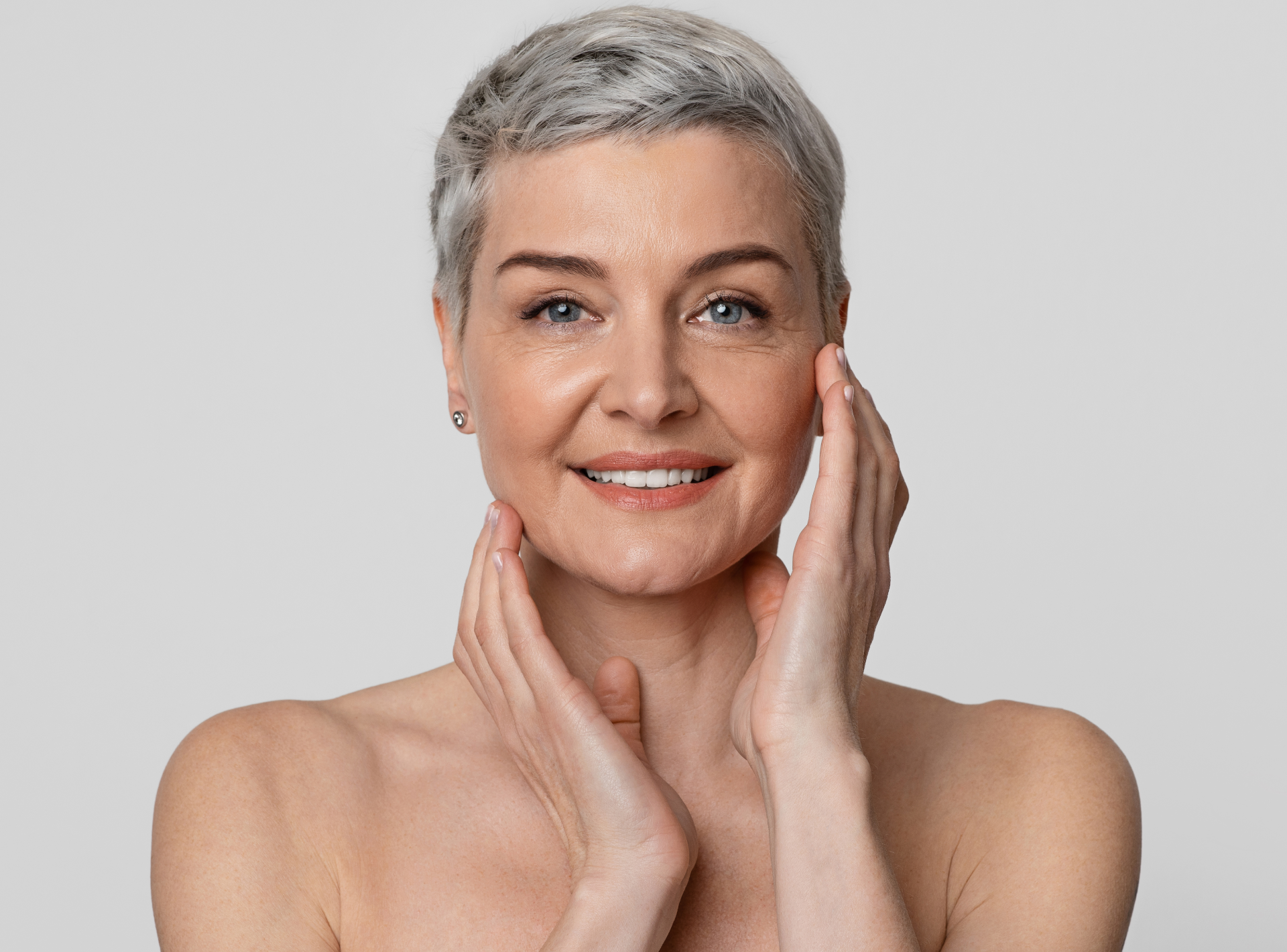
Are you considering cheek implant surgery? This FAQ guide answers the most frequently asked questions about candidacy, the procedure, recovery, costs, potential risks, and expected outcomes, allowing you to make a confident and informed decision before treatment.
Cheek Implant In Dubai
Cheek Implant in Dubai is a popular facial contouring procedure that increases cheek volume, improves facial balance, and creates a more defined appearance. One of the most frequently asked questions is: who is the best candidate for the surgery? In general, healthy people who want to permanently improve their flat or underdeveloped cheeks are ideal candidates. Patients frequently inquire about the procedure, which is typically performed in a single surgical session using carefully placed incisions inside the mouth or along the lower eyelid to minimize visible scarring. Mild swelling and bruising are common during recovery, and most patients can resume light daily activities within one to two weeks. Other frequently asked questions include implant materials, expected longevity, potential risks, and whether the results will appear natural. During a consultation, the plastic surgeon assesses facial anatomy, discusses aesthetic goals, and recommends the best implant size and shape for harmonious facial proportions. With modern surgical techniques, personalized treatment planning, and proper post-operative care, cheek implant surgery can provide long-term, natural-looking facial enhancement while improving overall facial harmony and self-confidence.
Paper Or Plastic?
“What is the best material for facial implants?” is a question I get asked frequently by patients and my answer is generally silicone. Silicone rubber has been used in body for many years and is incorporated into many medical and surgical devices. Put silicone over bone and it feels like bone. The big plus is that it is soft so it will conform to the anatomy underneath and you will never feel a sharp edge. Perhaps the best advantage is that silicone implants are highly serviceable should they need to be removed or replaced. Some implants are made of porous polyethylene. They can cause significant problems if they have to be removed or replaced. Trust me when I tell you this I have removed them from patients all over the world that were placed by other surgeons. These implants allow soft tissue growth and when removed can induce tissue loss and soft tissue defects. When removed it is not unusual to have connective tissue and muscle attached and some surgeons will refuse to remove them because of the risk of tissue and nerve damage. Another problem with the stiff implants is that they do not adapt to the underlying tissue and it is not unusual to feel a ledge or ridge. However, these implants are fine if they integrate and they don’t need to be removed. As a matter of fact, there are many materials which are suitable for implantation. I cannot condemn any implant, only relate my own personal experience and that of respected colleagues. I have successfully used silicone for over 26 years and when fixating the implants with a microscrew have had very little problems.
How Long Will My Implants Last?
It is a question frequently asked. The answer is decades, perhaps forever. The implant is placed on bone deep under the skin and usually secured by a single micro screw. It can’t go anywhere. Injectables and fat and lifting procedures aren’t permanent, but cheek implants are a permanent part of your facial bones. The implants are easily removable at any time under local anesthesia, but the result lasts very long.
How Do I Know What Size To Use?
This is the art of facial implants and depends a lot on the physicians experience. Dr. Perfect Celebrity spends a great deal of time with facial implant patients helping them choose the right implant. In addition to listening to what the patient wants and accessing what the patient needs, there are also implant “try ins” that allow Dr. Perfect Celebrity to select the best fitting and shaped implant for each patient.
How Long Does The Cheek Implant Procedure Take?
Cheek implants can be done with just local anesthesia, or with IV sedation. That will take about 20 minutes to a side.
How Long Is The Recovery?
Recovery from cheek implants varies but usually after a few days most patients can return to light activity. Some patients also return to work in 4-5 days. Recovery depends on the amount of swelling that occurs with individual patients as some people swell more than others. The first week to ten days the ability to smile and pucker will be a little different. Average patient is out of work 2 weeks.
BOOK AN APPOINTMENT TODAY
Can The Implants Move Around?
Dr. Perfect Celebrity will use a tiny micro screw (no metal detector at the airport will go off!) to hold the cheek implants in place. Failure to do this can result in problems with result, infection and bone loss under the implant. The implant is fixed and mobility related problems are eliminated.
How Many Sessions Are Typically Required For Cheek Implant?
Cheek implant surgery is typically performed in one surgical session under general or local anesthesia with sedation. The procedure typically lasts two to three hours, depending on the patient’s facial anatomy and treatment goals. Cheek implants are a surgical solution, so multiple treatment sessions are not required. However, several follow-up appointments are scheduled following surgery to monitor healing, evaluate implant positioning, and ensure the best results. Your plastic surgeon will give you personalized aftercare instructions to help you recover smoothly. Most patients are able to resume their normal daily activities within one to two weeks.
Can I See Cheek Implant Before-And-After Photos Of Previous Patients?
Yes, reputable plastic surgeons will usually provide before-and-after photos of previous cheek implant patients during the consultation. These images allow you to assess the surgeon’s experience, aesthetic approach, and the types of results that can be obtained. Observing patients with similar facial features can provide a realistic understanding of potential outcomes. Patients’ privacy is always respected, and photographs are only shared with their consent. Reviewing before-and-after images, combined with a thorough consultation, enables you to discuss your expectations, comprehend the procedure, and make an informed decision about cheek implant surgery.
Are You Board-Certified Or Specially Trained?
Choosing a board-certified and specially trained plastic surgeon is critical to achieving safe and natural-looking cheek implant results. Board certification demonstrates that the surgeon has undergone advanced training, meets recognized professional standards, and adheres to strict patient safety procedures. During your consultation, inquire about the surgeon’s credentials, experience with facial implant procedures, and the number of cheek implant surgeries they have completed. Inquire about before and after results, as well as complication rates. An experienced surgeon will thoroughly explain the procedure, provide honest answers to your questions, and recommend the best treatment plan for your facial structure.
What Cheek Implant Symptoms Should Concern Me?
Mild swelling, bruising, and discomfort are common after cheek implant surgery and typically resolve within a few weeks. If you experience severe pain, excessive swelling, persistent bleeding, fever, increasing redness, foul-smelling drainage, or difficulty opening your mouth, contact your surgeon right away. Sudden facial asymmetry, implant movement, or signs of infection should all be evaluated immediately. Early medical attention reduces complications and promotes proper healing. Attending all scheduled follow-up appointments and carefully following your surgeon’s post-operative instructions is critical for a successful recovery and long-term results.
What Is The Total Cost Of The Cheek Implant?
Cheek Implant surgery in Dubai typically costs between AED 29,999 and AED 34,999, depending on the surgeon’s expertise, implant type, anesthesia, hospital fees, and the procedure’s complexity. Pre-operative assessments, post-operative follow-up appointments, and prescribed medications may all be included in the final price, depending on the treatment package. During your consultation, your plastic surgeon will assess your facial anatomy, discuss your aesthetic goals, and recommend a personalized treatment plan with a cost estimate. Choosing an experienced surgeon ensures that patients receive high-quality care, are safe, and have natural-looking, long-lasting results.
MEET THE EXPERT DOCTOR
Best Plastic Surgeon In Dubai For Cheek Implant
Best Plastic Surgeon in Dubai for cheek implant is available at the Perfect Doctors Clinic, where Dr. Perfect Celebrity offers expert facial contouring with personalized treatment plans tailored to each patient’s unique features and aesthetic goals. During a Cheek Implant Frequently Asked Questions consultation, patients can discuss their suitability for the procedure, the different types and sizes of implants available, the surgical technique, incision placement, and expected recovery time. Dr. Perfect Celebrity also discusses the potential risks, benefits, and long-term outcomes of cheek implant surgery, ensuring that patients have realistic expectations prior to treatment. Questions about anesthesia, post-operative care, implant longevity, and follow-up appointments are thoroughly answered to help patients feel informed and confident. Patients are encouraged to look at before-and-after photos from previous cases to better understand the natural-looking results that can be achieved. At Perfect Doctors Clinic, each treatment plan is tailored to the patient’s facial anatomy and desired outcome, resulting in balanced facial proportions and improved cheek definition. Dr. Perfect Celebrity and the experienced medical team use advanced surgical techniques and maintain the highest standards of patient safety to provide comprehensive care from the initial consultation through recovery, allowing patients to achieve refined, harmonious, and long-lasting facial enhancements with confidence.