





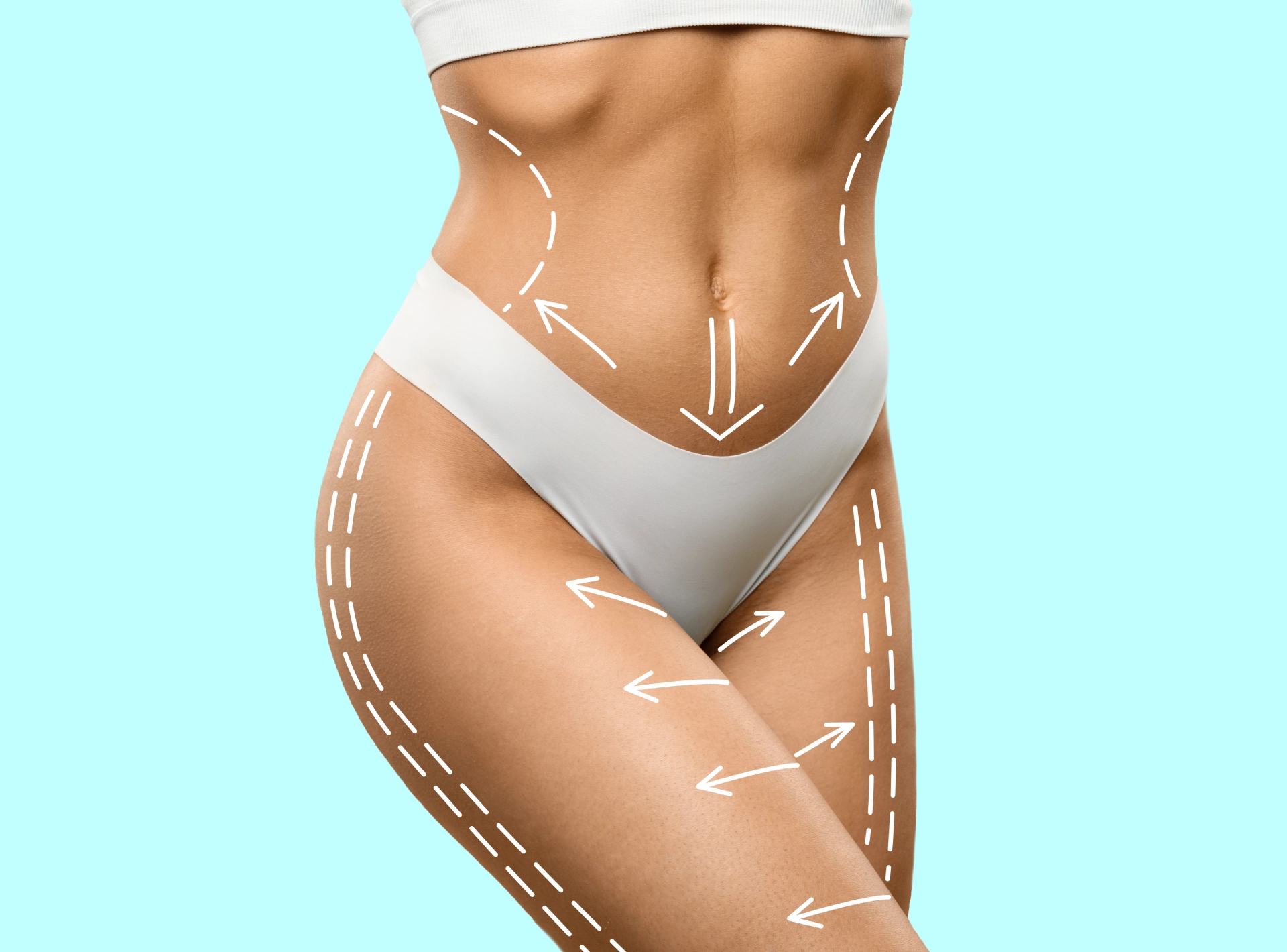
The results of body contouring are achieved gradually as the body heals and swelling diminishes. Although some contour improvements may be apparent during the initial recovery phase, the final result requires time to fully manifest. Patients are able to appreciate each stage of transformation and maintain realistic expectations by comprehending the healing process. Over the long term, proper aftercare facilitates a more seamless recovery and improved body definition.
Lipo 360 In Dubai
Lipo 360 in Dubai is a comprehensive body contouring procedure that is intended to reshape the midsection by addressing excess fat in the abdomen, waist, flanks, and back. Patients frequently inquire about the anticipated commencement of their outcomes. The initial improvements may be apparent as the swelling gradually subsides, and the body’s contours continue to refine throughout the healing process. The ultimate result is developed gradually as the body adapts and recovers. Attending follow-up appointments, adhering to postoperative instructions, and maintaining a consistent lifestyle can all contribute to the achievement of optimal results. It is crucial to exercise patience, as body contouring enhancements manifest gradually rather than immediately. Patients can experience a more defined, balanced, and sculpted appearance that improves their overall body proportions and confidence with the assistance of appropriate care and recovery.
Lipo In Dubai
Lipo in Dubai is a widely used cosmetic procedure that is effective in the removal of stubborn fat deposits and the enhancement of body contours in areas that are resistant to diet and exercise. The anticipated time of visible changes following treatment is a topic of considerable interest for numerous patients. The body continues to heal and refine over time, despite the fact that some contour improvements may be observed during the early recovery phase. The improved shape becomes more apparent as the swelling and temporary tissue changes gradually subside. Maintaining healthy habits, adhering to aftercare recommendations, and engaging in physical activity as directed can lead to long-term outcomes. Liposuction can offer a more confident appearance that reflects individual aesthetic objectives, improved proportions, and smoother body contours with the assistance of proper recovery and patience.
Key Takeaways
- After Lipo 360, when do results begin to appear? One to three months after lipo 360, noticeable improvement will begin to show. Final contours usually show up by six to twelve months, though the precise time frame varies depending on each person’s healing.
- Expect swelling, bruising, and fluid retention during the first week, which are signs of early transformation. To reduce risks, carefully follow post-operative instructions.
- To reduce swelling and aid in skin retraction for better contouring results, wear compression clothing and refrain from intense exercise during the early stages of recovery.
- The speed and smoothness of results are greatly influenced by skin elasticity, health, technique, and surgeon skill. Choose a knowledgeable provider and discuss your reasonable expectations.
- Be patient and take staged photos, measurements, and check-ins to track your progress. Swelling may delay the visible melting of fat.
- To sustain results over time, you should eat well, maintain a steady weight, and exercise after healing. If skin laxity or refinement is an issue, think about additional treatments.
- It typically takes two to six weeks for the first changes and three to six months for your shape to fully settle after lipo 360.
After a few days to weeks, the initial swelling will go down. Over two weeks, bruises heal.
As skin contracts and tissues heal, contour improvements persist over time. Technique, body type, and post-operative care all affect recovery times.
The middle offers expected benchmarks and guidance on how to responsibly track your advancement.
The Results Timeline
From surgery to shape, the process is fairly predictable. Every stage has its own typical symptoms, maintenance procedures, and deadlines. The benchmarks below help set realistic expectations, but personal recovery will change the pace.
1. Immediate Aftermath
After surgery, expect bruising, swelling, and fluid buildup. These are common marks that can conceal any initial changes to the shape. To reduce the risk of infection and speed up fluid clearance, wear compression garments as directed and adhere to wound care and drain instructions if given.
There is a significant risk of bleeding and infection during the first week. Reduce your level of activity, go to follow-up appointments, and let your surgeon know if you experience fevers or worsening pain.
2. First Few Weeks
Little changes may occur as the swelling begins to go down. At two to three weeks, most patients experience mild shaping, but some stiffness and numbness still exist. Avoid doing anything that raises your blood pressure, such as heavy lifting or strenuous exercise, as these may make bleeding or swelling worse.
For support and to help guide skin retraction, wear compression clothing for the majority of the day. As your incisions begin to heal, follow the scar care guidelines and apply cold packs early for comfort.
3. One To Three Months
There are often noticeable contour gains from this window. Firmness from healing tissue softens, and residual swelling diminishes. As directed by your surgeon, keep reintroducing cardio and strength training because improved circulation promotes healing and removes tiny fluid pockets.
Most people see significant improvements after three months, even though patches of unevenness or numbness may still be present. At your follow-up, bring up any significant asymmetry or persistent lumps that won’t go away so the team can assess whether more massage or treatment is required.
4. Six Months Onward
Your new silhouette appears more final, and most of the swelling should be gone. Contours become firmer and more natural as a result of collagen remodeling and skin contraction. standardized before-and-after pictures taken with the same lighting conditions and angles.
To sustain results, keep your weight steady and eat a balanced diet. Treatment areas may change as a result of weight gain or loss. Regular exercise sustains surgical gains.
5. The Final Year
By twelve months, you typically attain final results and full recovery. Over the course of the year, scars gradually disappear and tissue continues to remodel. Be alert for any late problems, such as persistent numbness or changes in contour, and report them for assessment.
Consistent healthy habits support long-term results. Only consider touch-ups after the entire year, when the results are steady.
Influencing Factors
After lipo 360, recovery and observable change depend on a variety of factors. The main elements that affect the speed and quality of results are listed here in numerical order:
- Individual healing capacity: Age, genetics, and pre-existing medical conditions influence the inflammatory response and tissue repair. Younger patients typically experience faster swelling reduction and tighter retraction. People who have a history of smoking, diabetes, or poor circulation heal more slowly and are more likely to experience delayed healing. For instance, if one patient smokes and the other maintains a healthy lifestyle, two patients with comparable amounts of fat removed may appear significantly different after six weeks.
- Skin elasticity and collagen content: Good elasticity allows skin to more easily conform to new shapes. Ultimate smoothness is influenced by collagen quality, which is influenced by genetics, sun exposure, and diet. Sagging skin can persist in people with low elasticity, and the final shape may take months or even more procedures like skin tightening or excision.
- Surgical technique and precision: The choice of technique affects recovery time and tissue damage. Techniques like ultrasound-assisted lipo and tumescent liposuction usually allow for more accurate fat extraction with less bleeding and often more uniform initial contours. Precise and careful fat extraction reduces puckering and unevenness. For instance, gentler methods are needed to prevent unevenness in fibrous subcutaneous areas, such as the back flanks.
- Aftercare adherence: Healing is accelerated and complications are reduced when post-operative guidelines are followed. Clean wounds, compression, and avoiding heavy lifting are all important. If you neglect compression or resume strenuous exercise too soon, you may delay your results, which can worsen swelling and prolong bruising.
- Treated areas and body types: Different zones respond in different ways. Areas with more fibrous fat, like the back or male chest, typically react more slowly than the abdomen and flanks do. Because less edema masks the effect, thinner patients may exhibit contour results sooner. Heavier patients might require more time for swelling to subside and the new shape to settle.
- Volume removed and symmetry: Large-volume removal raises swelling and risk of irregularities, which can lengthen the timeline to final results. Small, focused extraction generally sinks quicker. Gentle removal and surgeon skill minimize revisions.
Your Body
Age runs both ways. While older skin can hang loose, younger skin can bounce back. Baseline blood flow and collagen are determined by genetics. The rate at which surgical trauma heals is influenced by weight and general health. Deep, fibrous fat areas reveal uneven textures and scar more slowly. Sleep, hydration, and nutrition all play a role.
Surgical Skill
Choose a surgeon with proven liposuction expertise and before-and-after results. Techniques like tumescent and ultrasound help to smoothly raise out fat and reduce bleeding. Skilled surgeons avoid lumps by aiming for pockets. Recovery is sped up and scarring is decreased with microcuts, careful tissue handling, and minimal forceps use.
Aftercare Adherence
Follow all post-operative instructions exactly. This lowers risk and shortens recovery time. Attend those follow-ups to help the team identify problems early. Until cleared, avoid high-impact exercises.
This simple table lists common aftercare procedures along with their significance.
| Aftercare step | Why it matters |
| Compression garment | Minimizes swelling and aids in skin adaptation |
| Wound care | Avoids scarring and infection |
| Slow return to exercise | Reduces swelling and bleeding |
| Follow-up visits | Early detection of complications |
BOOK AN APPOINTMENT TODAY
Beyond The Scalpel
Both surgery and many non-surgical factors affect Lipo 360 results. Adjunct therapies, patient habits, and tissue response all influence recovery and visible change. To give readers an idea of what influences the arrival of final contours, we break down these factors below:
Technology’s Role
Fat could be suctioned more evenly and with less harm by newer devices. Sound waves are used in ultrasound-assisted liposuction to break up fat before suction. Slicker performance in areas of fibrous tissue may result from this technique.
Using heat to liquefy fat, laser-assisted liposuction can slightly tighten the skin. For instance, laser-assisted liposuction may be more beneficial than suction alone for a patient with firm skin and small, stubborn pockets.
Although it can be more hands-on and sometimes causes more bruising, conventional SAL is still very effective for many patients. More recent methods aim for accuracy. To lessen surgeon fatigue and potentially achieve finer contouring, PAL, for instance, assists the surgeon in moving the cannula with less force.
Certain techniques reduce swelling and bruises following surgery. Inflammation is reduced and early-phase visual enhancement occurs more quickly when there is less tissue damage. A sculpted contour usually takes several months as the edema goes away, but expect an early transformation during the first few weeks.
This is a simple cheat sheet with common options and typical recovery times.
| Technique | Key feature | Typical early recovery (days) | Noticeable contour change (weeks) |
| SAL (traditional) | Manual Suction | 6–13 | 5–11 |
| PAL | Cannula motion that is mechanized | 4–9 | 3–9 |
| UAL | Fat is released by ultrasound | 6–13 | 5–11 |
| LAL | Fat is melted by lasers, and some skin tightens. | 4–9 | 3–7 |
Anesthesia’s Impact
Local anesthesia usually requires less medication and numbs the affected area. Patients have less immediate systemic impact and can return home earlier. Less fogginess and a quicker healing process on the first day are the results of local anesthesia and sedation.
When large amounts of diluted local anesthetic are placed beneath the skin, the procedure is referred to as tumescent. It provides prolonged numbness in addition to reducing bleeding. Although this numbness can reduce initial pain, it differs from general anesthesia in how pain is managed later.
Patients typically experience less immediate swelling when tumescent techniques are used. Patients under general anesthesia are put to sleep and require monitoring of their vital signs and airways. Early nausea or dizziness is possible, and recovery room stays may be hours longer.
For more aggressive situations or patient comfort, general anesthesia may be chosen. It usually lengthens the immediate post-operative period. Early ambulation, comfort, and the time to “normalcy” are all impacted by the choice of anesthetic.
Discuss hybrid options with your surgical team to ensure they align with the procedure’s scope and your personal well-being.
Visualizing Progress
After Lipo 360, there is a gradual change in appearance. We talked about how visualizing progress and logging progress helps set expectations and shows incremental growth that can be easy to miss on a daily basis.
Swelling Vs. Fat
The main reason why early photos are misleading is swelling. Fluids and inflammation build up in the treated tissues following surgery. Certain areas may swell or become lumpy for days or weeks as a result of this process.
Sometimes swelling causes a momentary increase in weight on the scale. That does not imply the return of fat. As it heals, the body holds onto fluid. The deflated fat mass will eventually become visible when the liquid drains out.
Layers of swelling disappear. The first noticeable decline usually occurs in two to three weeks, and over the course of three months, there is steady improvement. After three to six months, as tissues settle and deeper swelling goes away, finer contour changes become apparent.
Don’t evaluate the outcome until the swelling has completely disappeared. Surgeons usually advise waiting up to six months for an almost final contour and at least three months to observe a reliable perspective. You will be let down if you expect a sudden, drastic change.
Staged photos and notes can be used to visualize progress and distinguish between real fat loss and swelling. Instead of relying solely on memory, compare everything with consistent measurements and images. That reduces worry about daily fluctuations and provides a clearer picture.
Skin Retraction
Your skin’s capacity to tighten up following the removal of fat underneath is known as skin retraction. Age, the amount of collagen and elastin in the skin, and the skin’s natural elasticity all play a role.
Skin tightening is more optimal and occurs more quickly in younger patients and those with healthy collagen. They don’t need any extra care because their skin easily returns and takes on the new shape, giving them a smoother appearance.
If significant amounts of fat are removed or the skin is less elastic, loose skin may remain. This may show up as sagging, folds, or poorly defined contours. Lipo may not be able to provide the necessary tightness in these situations.
For the best help, additional procedures might be needed. Excess skin can be removed, and a tighter result can be achieved with a tummy tuck or skin excision in certain areas. Although they work more slowly and inconsistently, non-surgical techniques like radiofrequency or ultrasound skin tightening can help with mild laxity.
Monitoring skin changes is equally as crucial as monitoring weight loss. Measure circumferences at reliable landmarks and take photos from the front, sides, and angles. These logs help identify whether any changes are due to skin retraction, fat loss, or lingering swelling.
Maximizing Outcomes
After lipo 360, we can help you maximize your results by guiding you through the recovery process and helping you make sensible choices. These specific actions, along with checklists and real-world examples, change the timing and quality of contour shifts.
Compression Garments
Compression clothing reduces swelling and helps tissues return to their “new” position when worn as directed by the surgeon. For example, the contours of a patient who wore clothing continuously for six weeks were smoother than those of a patient who wore it intermittently.
Checklist for appropriate duration and fit:
- Fit: tight but not uncomfortably so. The edges shouldn’t bulge or pinch.
- Coverage: The garment should cover the entire treated area, including the back, flanks, and abdomen.
- Material: medical-grade elasticity and breathable fabric.
- Timing: Unless instructed otherwise, wear it 22 hours a day for the first two weeks and then 11 to 15 hours a day for the next four to six weeks.
- Replace: If damaged or stretched out.
Frequent wear lowers the risk of seroma, or fluid accumulation, and helps remodel the new contours. The final figure will be less sculpted, and the swelling may persist if the clothing is too loose.
Skin marks or circulation problems could result from them being too tight. Skin irritation and infection can result from improper or nonexistent washing. If you experience worsening pain, numbness, or redness beneath the garment, speak with your clinician right away.
Lifestyle Choices
Consistent exercise and a healthy diet promote healing and maintain the benefits of surgery. Because residual fat can grow disproportionately and unbalance contours, small weight gains quickly alter proportions.
Suggested foods and activities:
- Lean protein sources like fish and poultry, whole grains, high-fiber vegetables, avocado and olive oil, and water are examples of foods.
- High-sugar snacks, processed foods, and excessive alcohol are among the foods to limit.
- Low-impact exercises include cycling, swimming, and walking. As cleared, begin slowly after two to three weeks.
- After four to six weeks, you can start mild resistance training to tone support muscles as part of your strength work.
- Daily gentle stretching can help reduce stiffness.
List your own weekly exercise routines and meal plans. An example of a plan would be to walk for thirty minutes every day for three weeks. Then, beginning in week five, add two light resistance workouts each week.
Patient Mindset
Expect outcomes to develop over several months. Swelling and bruising have an impact on initial form. Patience reduces anxiety and helps you stay on course with important care steps.
Establish short-term (less swelling at 1 to 3 weeks), medium-term (noticeable contour at 12 weeks), and long-term (final result at 5 to 11 months) realistic goals that are linked to stages. Celebrate achievements like reduced swelling or improved mobility, and keep a recovery journal to track your progress.
A healthy daily routine that includes rest, stress reduction, and compassionate self-care helps you recuperate and feel content. If you need any additional treatments after healing, such as skin tightening or touch-up lipo, discuss them with your surgeon.
Maintaining Results
After lipo 360, maintaining results requires consistent routines and realistic expectations. The procedure removes fat cells from the treated areas, but if the calorie balance shifts, it won’t stop the remaining fat cells from growing. Over the course of months and years, a well-defined plan helps maintain the new body contours.
Healthy Habits Are Essential To Preserve Contours
Adopt a balanced eating and exercise lifestyle. Focus on whole foods rather than fads, such as vegetables, lean protein, whole grains, and healthy fats. For instance, to feel full and cut down on snacking, try to eat meals that combine fiber and protein.
High-sugar sweets and alcohol should only be consumed occasionally because they add extra calories that undermine desired outcomes. Stress and sleep have an impact. Chronic stress and insufficient sleep both change hunger hormones, which can lead to weight gain.
Daily small adjustments are more protective of the surgical outcome than drastic but transient measures.
Monitor Weight And Avoid Large Fluctuations
It’s a sensible idea to weigh yourself once a week. Pay attention to trends rather than daily fluctuations. Because preexisting fat cells proliferate, even a 1 to 2 kg gain over a few months can blur the distinct lines from lipo 360.
Take immediate action if your weight increases: Cut back on portion sizes, swap out high-calorie snacks for lower-calorie ones, and up your exercise. Measure your body or take pictures every month to see how you’re evolving.
These show whether fat affects treated zones or returns to untreated areas.
Maintain Regular Exercise And A Proper Diet To Protect Untreated Areas
Combine aerobic exercise with resistance training. Strength training helps control fat by increasing resting metabolic rate and adding lean mass. Cardio supports cardiovascular health and calorie burn.
An example schedule includes 160 minutes of moderate aerobic exercise spread throughout the week, plus two to three strength training sessions. Adapt paces to your recuperation and level of fitness. A healthy diet should encourage physical activity by providing enough protein for muscle repair and limiting calories to meet objectives.
Treating only specific areas should be avoided. Even if the treated areas stay slimmer, fat may return in untreated areas and change your overall shape.
Long-Term Maintenance Leads To Lasting Satisfaction
Consider lipo 360 as a way of thinking rather than a temporary solution. Years after surgery, patients who maintain routines report higher levels of satisfaction.
To adjust plans, check in with your surgeon or a nutrition coach on a regular basis. If slight improvements occur, make dietary or exercise changes as soon as possible rather than later.
MEET THE EXPERT DOCTOR
Frequently Asked Questions
How Soon Will I See Results After Lipo 360?
As the swelling goes down, most patients notice their first changes in one to two weeks. After the swelling has completely subsided and the tissues have taken hold, more distinct results appear at 5 to 11 weeks, and the final results appear at 5 to 11 months.
When Does Bruising And Swelling Typically Go Away?
Significant swelling and bruises usually go away in two to six weeks. Particularly deeper beneath the skin, residual mild swelling may last for several months.
Can I Speed Up Visible Results After Lipo 360?
Wearing compression garments, avoiding strenuous activity until cleared, staying hydrated, and maintaining gentle movement to reduce swelling and improve circulation are all ways you can aid in your recovery, as advised by your surgeon.
Will Weight Changes Affect My Lipo 360 Results?
Indeed. Contours will change if you gain or lose a significant amount of weight. Fat cells are removed by liposuction, but any remaining cells may proliferate. Long-term results are maintained at a steady weight.
How Long Before I Can Return To Normal Activities And Exercise?
Walking and light activities are usually safe in a few days. Depending on their surgeon’s recommendations and the degree of healing, most patients resume light exercise at three to four weeks and full-intensity workouts at six to eight weeks.
Are Multiple Treatments Needed To Achieve Final Results?
Usually, one excellent Lipo 360 suffices. If there are contour irregularities or new fat accumulation after weight fluctuation, additional procedures may be considered.
When Should I Contact My Surgeon About Delayed Results Or Complications?
If you experience worsening pain, persistent redness, fever, sudden swelling, fluid drainage, or no improvement after anticipated timeframes, get in touch with your surgeon. Complications can be avoided with early evaluation.
Best Plastic Surgeon In Dubai For Lipo 360
Best Plastic Surgeon in Dubai for Lipo 360 is available at Perfect Doctors Clinic, where Dr. Perfect Celebrity offers advanced body contouring treatments tailored to each patient’s unique goals and body structure. Each treatment commences with a comprehensive consultation to evaluate areas of concern, comprehend expectations, and develop a customized surgical plan that is intended to produce naturally balanced and aesthetically pleasing outcomes. Lipo 360 is dedicated to improving the body’s overall silhouette by eliminating excess fat in various regions of the midsection. Dr. Perfect Celebrity prioritizes patient safety and comfort during the procedure, employing modern techniques and a meticulous approach to enhance definition, contour, and proportion. Patients are provided with comprehensive assistance prior to, during, and subsequent to their treatment at Perfect Doctors Clinic. Optimal outcomes and smooth healing are facilitated by individualized recommendations, attentive follow-up care, and detailed recovery guidance. The clinic prioritizes transparent communication to guarantee that patients are well-informed and self-assured during their aesthetic journey. Dr. Perfect Celebrity is dedicated to providing patients with exquisite body contouring outcomes that are in harmony with their inherent forms. The clinic is committed to achieving aesthetically pleasing outcomes that increase confidence and satisfaction by combining advanced surgical expertise, personalized care, and a patient-focused philosophy. Perfect Doctors Clinic has become a reputable destination for individuals in Dubai who are in search of high-quality Lipo 360 procedures as a result of this dedication to excellence.
Conclusion
Recovery from Lipo 360 is simple. During the first two to four weeks, swelling considerably decreases. In six to twelve weeks, the shape solidifies. After three to six months, the final results are visible, and minor adjustments may take up to twelve months. Your skin tone, activity level, and amount of fat removed will all affect how quickly you heal. Proper care speeds up the healing process. Compression, wound care, and consistent, mild exercise help your skin settle and reduce swelling. Set realistic goals and record with weekly photos. See your surgeon if you experience unusual pain or significant swelling. Do you need recovery advice or to plan your next step? Request a personalized aftercare plan or schedule.