





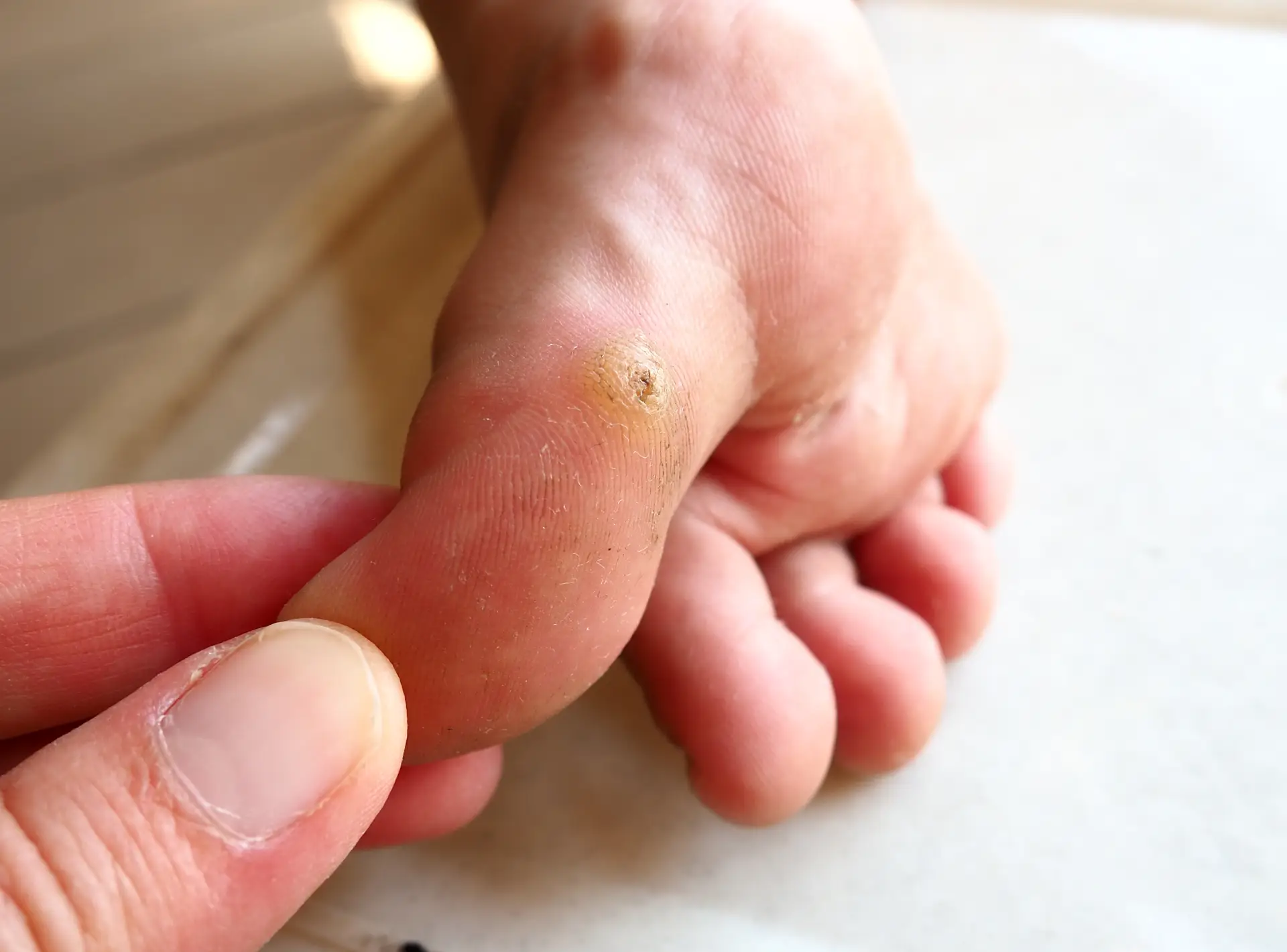
Following a wart removal operation, recovery relies on several things. The type of treatment administered, the location and severity of the lesion, and the patient’s immunological condition are particularly significant.
Even for the most difficult warts, Perfect Doctors Clinic offers a variety of rapid, secure, and efficient treatments. During your most recent visit, you may have discussed some office treatments with me or our other physicians. It’s understandable to still have concerns about how each treatment is done, how uncomfortable it will be, and how long it will interfere with your regular activities.
In this post, I’ll cover how to recover from each wart removal treatment and ensure it heals properly.
Wart Removal In Dubai
Wart Removal in Dubai is a popular treatment for individuals seeking to eliminate unwanted warts safely and effectively while improving the appearance and health of their skin. Although wart removal procedures are generally straightforward, proper aftercare plays a crucial role in achieving optimal healing and preventing complications. Depending on the treatment method used, such as laser wart removal, cryotherapy, electrocautery, or surgical excision, patients may experience mild redness, swelling, tenderness, or scab formation in the treated area. These effects are usually temporary and gradually improve as the skin heals. After treatment, it is important to keep the area clean and dry while following all aftercare instructions provided by the practitioner. Patients should avoid scratching, picking, or removing any scabs that develop, as this can interfere with healing and increase the risk of scarring. Sun protection is also important, particularly if the treated area is exposed, because newly healed skin may be more sensitive to UV damage. In some cases, topical creams or dressings may be recommended to support recovery and protect the skin. Most patients can return to their normal activities shortly after treatment, although recovery time varies depending on the size, location, and number of warts treated. Follow-up appointments may be scheduled to monitor healing and assess whether additional sessions are needed. With proper aftercare and professional guidance, wart removal in Dubai can provide successful results, smoother skin, improved comfort, and a lower likelihood of wart recurrence while supporting healthy skin recovery and long-term satisfaction.
What Are The Factors That Can Impact Recovery From A Wart Removal Procedure?
In-office wart treatments result in controlled skin damage. Recovery thus centers on the process of wound healing following therapy. Your care provider at Perfect Doctors Clinic will assess your suitability for a procedure based on a variety of factors that impact skin restoration.
The Lesion’s Location
The incidence at a weight-bearing area and growth on a site involved in circulation, mobility, and sun exposure are the particular issues here.
Because of the oxygen depletion caused by weight pressure, healing is delayed. It is necessary to cover post-treatment wounds in weight-bearing areas, such as the soles of the feet, until they heal. We might suggest using crutches and loose shoes for a bit if you recently had a plantar wart removed.
When walking on the afflicted foot becomes comfortable once again, you’ll know that mending is well on. Some people may be able to do this in as little as two to three weeks, while others could require more time on crutches. Recovery may also be slowed by other types of pressure, such as the pressure from a pen while writing.
Movement-related sites, such as hand joints, may also recover slowly without immobilization. Movement can interfere with the body’s normal process of healing wounds through skin contraction.
Peripheral artery disease and diabetes mellitus are two conditions that can lead to poor circulation. Insufficient blood, oxygen, and nutrition supplies can cause post-surgical wounds to heal poorly or not at all. Because of the possibility of non-healing and secondary bacterial infection, we do not recommend invasive operations in areas with poor circulation.
A closed wound will continue to undergo tissue changes for months or even years. Newly healed skin might become darker and lose its new connective tissues when exposed to the sun. Long after returning to your regular activities, you might need to continue using sunscreen to achieve the optimum cosmetic results.
The Post-Treatment Wound’s Size And Shape
Large or dispersed post-surgical wounds typically take longer to heal than smaller ones. In healthy people, the inflammation caused by minor skin fractures usually goes away in a few days to a week.
On the other hand, the shape of the post-treatment wound has a significant impact on the repair time for larger lesions. Thin incisions usually heal more quickly than circular wounds because they make it easier for the skin’s upper surface to contract.
Surgical staples, skin glue, skin tape, and stitches all aid in accelerating the healing of wounds. They work well on incisions that resemble slits, but not on circular or broad lesions.
The Wart Removal Procedure
Recovery time and the intensity and duration of pain are influenced by the type of operation.
Less intrusive office procedures typically cause less pain and merely temporary discomfort. These include the non-invasive cantharidin therapy and bleomycin injections, which only result in puncture wounds. Depending on the location of the wart and other variables, these treatments involve little to no downtime.
Although cryotherapy is a minimally invasive procedure, patients typically do not require numbing drugs throughout the procedure. It will, however, result in a blister that may hurt for days. If it is done in non-weight-bearing locations, there is little to no downtime.
Other office techniques require pain medication both during and occasionally after the procedure because they burn the warts or make larger incisions. These consist of excision, VBeam laser treatment, and electrosurgery and curettage. The duration of recovery varies.
The Patient’s Immune Status
Immune cells travel to the site of skin breakage to clean it up and stop further harm. By causing inflammation, they eradicate any microorganisms that could be there. After the immune cells have completed their task, healing begins. People with weakened immune systems, such as those with HIV and diabetes mellitus, are more likely to heal slowly or not at all.
Other Factors that Can Delay Wound Healing And Recovery
Healing and recovery times might also be slowed by a number of other health issues. Among them are the following:
- Anomalies related to clotting, since clotting is the initial process that seals a wound. Patients may be at risk for severe bleeding and wound non-closure due to liver disease, inborn clotting problems, low platelet counts, blood thinner use, etc.
- Therapies that weaken the immune system include taking steroids and receiving radiation at a nearby location.
- Post-treatment wound infection, bruising (hematoma), and close radiation therapy are examples of factors that extend the inflammatory process. Retained gauze and dirt are examples of foreign objects that can aggravate the skin and impede healing.
- Connective tissue illness, as many new connective tissues are produced during wound healing. People with illnesses including systemic lupus erythematosus, Ehlers-Danlos syndrome, and others would therefore have a hard time recovering.
- Malnutrition because sufficient amounts of proteins, carbs, fats, and vitamins are necessary for the development of new connective tissues.
- Recent surgery on a different body part, as the wart removal site’s nutrients will be diverted by the other post-surgical incision.
- Age, as older people usually recover wounds more slowly than younger people.
- Smoking, as it releases toxins and free radicals that can impede healing. Additionally, it results in blood vessel narrowing and blood thickening, both of which deprive the wart removal site of nutrition and oxygen.
Quick recovery is ensured by a simple skin repair procedure. In our practice, we’ve seen patients reduce their recovery time by adopting healthy habits including taking care of their wounds after treatment, eating a balanced diet and getting enough sleep, taking their medications as prescribed, and quitting smoking, among other things.
What Can You Expect During The Procedure, And How Do You Treat The Area After Wart Removal?
As indicated before, the degree of invasiveness of office wart treatments varies. As a result, individuals need distinct pain management strategies and post-treatment plans. Repeat sessions and post-treatment activity limitation are also dependent on the type of operation. These characteristics of the office wart treatments that Perfect Doctors Clinic specializes in are discussed below.
Cryotherapy
What to expect: During this process, liquid nitrogen is used to freeze the wart. It can be completed in a matter of minutes. While some people try using salicylic acid and buffing to shrink the wart beforehand, cryotherapy frequently doesn’t require any preliminary preparation.
Is cryotherapy painful? For a brief period of time during the process, patients experience minor discomfort and a feeling of coldness at the location. Usually, numbing drugs are not necessary. Within a day, the region will become irritated and blister. For a few days, blisters may cause mild to moderate pain.
Downtime: Depending on the affected body part, there may be a recovery period following cryotherapy. As soon as it is finished, patients can return to their regular activities. However, we recommend that they preserve the treated region for a week to allow it to dry up before resuming their regular activities if it is in a weight-bearing or often compressed area. When taking a bath, the site can be cleaned.
Aftercare: To preserve the blister, a plaster will be required. A week following treatment, a scab is anticipated to appear. We advise using an antiseptic on the area and avoiding the fluid if it breaks before scabbing. The scab will naturally come off. Patients are not allowed to pick at the spot until then since doing so will spread the wart infection.
Although bacterial infections from cryotherapy are uncommon, patients should consult a doctor if the treated area shows symptoms of infection. Smaller warts can only need one or two treatments, but larger ones frequently need more.
Cantharidin
What to expect: During this process, we cover the wart with non-porous tape after applying a chemical made from blister beetle secretions. It should just take a few minutes to complete. Pretreatment preparations are not necessary when using cantharidin.
Is cantharidin treatment painful? The use of cantharidin is painless in and of itself, but blistering typically appears in one to two days, causing the area to feel sensitive. As the blister dries up, the pain usually disappears in a week.
Downtime: Similar to cryotherapy, the duration of cantharidin treatment is contingent upon the affected body area.
Aftercare: Four hours after applying cantharidin, we often advise patients to wash the affected region with soap and water. If they experience intense discomfort or a burning feeling at the location, they can remove it sooner. When taking a shower, they can wash the treated area and then plaster it.
Patients occasionally experience larger, more excruciating blisters that require fluid drainage. If this occurs, we suggest that they use a sterile needle to puncture one side of the blister after applying an antiseptic solution to the region. To avoid contracting a bacterial infection or transmitting the wart virus, patients must refrain from touching the fluid or taking off the blister roof. After drainage is complete, the area can be dried with gauze and sterilized once again.
One week following therapy, the wart will dry up. We tell our patients that if the dead wart hasn’t fallen out by the time of their follow-up appointment, we can clip it.
Although side effects from cantharidin therapy are uncommon, patients should consult a doctor if they have extreme bleeding, itching, or pain. It will take several treatments to treat resistant warts.
Electrosurgery And Curettage
What to expect: Before beginning this operation, the area is cleaned and the treatment site is numbed. To remove the wart, we utilize a little blade or tool that resembles a spoon. The bleeding will be stopped, and the remaining growth will be burned with an electric heating device that resembles a pen. The length of the treatment varies depending on how severe the wart is, but it typically takes 10 to 25 minutes after the numbing medication is injected.
The process results in a wide or round incision that doesn’t require suturing. Depending on their health situation, we recommend that patients obtain a medical clearance or cease using certain medications a few days prior to the session.
Are electrosurgery and curettage procedures painful? Because of the anesthesia, the combination treatment is painless; however, the site may be sensitive for one to two weeks, necessitating the use of over-the-counter medicines.
Downtime: The depth, size, and location of the post-operative wound determine the recovery time following electrosurgery and curettage. For the first one to two weeks, patients can be recommended to avoid physical activity. It takes two to four weeks for wounds from this surgery to heal.
Aftercare: We typically provide our patients with detailed advice on how to take care of their wounds after surgery. In order to allow the wound to adequately clot, it is often kept dry and bandaged for the first 1-2 days. After that, they can give it a light soap and water wash. The bandage needs to be replaced on a regular basis.
Electrosurgery and curettage rarely result in problems when performed correctly. However, in the event of significant discomfort, bleeding, fever, or a yellowish discharge from the site, patients need to consult a medical professional.
Electrosurgery and curettage for warts typically only require one treatment.
Excision
What to expect: During this operation, the region is cleaned, local anesthetic is injected, the wart tissue is removed, and the wound is sealed. For minor warts, the entire procedure takes around half an hour; larger lesions require more time.
Surgical excision leaves a wound that can be sutured or cauterized. The patient may need to obtain medical clearance or refrain from taking certain drugs a few days prior to their consultation, depending on their health.
Is wart excision painful? The numbing drug makes the operation itself painless, but the area will be sensitive for a few weeks. Pain and other inflammatory symptoms can be prevented using over-the-counter drugs.
Downtime: The size, form, and location of the lesion determine how long it takes to recover from wart excision. To prevent trauma to the site, we encourage our patients to refrain from physically demanding activities for two to four weeks. To prevent excessive pressure on plantar excisions, we advise using crutches.
Aftercare: Before sending our patients home, we train them how to properly care for their wounds. If they have severe pain, bleeding, fever, or other infection-related symptoms, we suggest they call us.
Excision surgery for warts only requires one session.
BOOK AN APPOINTMENT TODAY
VBeam Laser Treatment
What to expect: During this process, the blood veins in the wart are broken down by a strong light beam. Depending on the severity of the issue, each session lasts anywhere from fifteen minutes to two hours.
We advise our patients to avoid sun exposure, chemical peels, vitamin A-containing drugs, and other procedures that could make their skin photosensitive prior to their laser wart treatment visit.
Is VBeam laser treatment of warts painful? As we apply the laser, the gadget mists the skin with a cool, numbing substance. Although warts in sensitive locations may be more painful, most patients require only topical or injectable pain medication. For up to two weeks, the area may feel slightly sore.
Downtime: Depending on the size, distribution, and location of the wart, recuperation time following laser wart removal surgery varies. If it is modest and located away from the plantar areas or other often squeezed sites, downtime is negligible. If not, recuperation may require many weeks.
Aftercare: The wart may turn black while it cures, and it will dry up in one to two weeks. Patients are advised to keep the treated area dry, clean, and shielded from the sun. Some people may have bruising or itching, but these symptoms will go away in a few days.
Before the treated area heals completely, we advise patients not to pick at it. Drinking lots of water aids in the body’s removal of potentially infectious debris and dead cells from the treated area.
While most instances take several sessions, certain warts respond to VBeam laser treatment right away.
Bleomycin Injection
What to expect: After cleaning the area, an anti-cancer medication is injected into the wart. It should only take a few minutes. There may be brief, localized bleeding. Pretreatment preparations are not necessary for bleomycin injection.
Is bleomycin treatment of warts painful? Although numbing medicine is typically not required, a bleomycin shot may cause discomfort at the injection site. Palm and plantar warts may be particularly vulnerable to the injections. For up to two weeks, there may be some slight soreness.
Downtime: Injections of bleomycin don’t require any downtime. Following the session, patients can resume their routines.
Aftercare: Wart bleeding may occur at home for patients. If this happens, we advise elevating the afflicted body part and covering the area with fresh gauze. The space needs to be maintained dry and tidy.
Persistent bleeding, infection symptoms, excruciating pain, or unbearable allergic responses require patients to seek medical assistance.
Because bleomycin can interfere with the growth of hair and nails, it is not injected near the nails or in a hairy area. On the wart removal site, it may also result in uneven skin tone.
Although bleomycin responses vary, most patients need at least four sessions spaced three to four weeks apart. When the wart dries up, the treatment is working.
The recovery procedures for the various office wart treatments that were just discussed are contrasted in the table below.
| Wart Removal Procedure | Usual Pain Level | Recovery Time and Post-Treatment Activity Limitations | Aftercare Required of the Patient | Number of Treatments Expected |
| Cryotherapy | Brief discomfort during the procedure Mild to moderate pain after the treatment Pain meds are not normally needed | Recovery takes up to 7 days Non-weight-bearing sites require little to no downtime Weight-bearing and repeatedly compressed sites need protection for 7 days | Keep the site dry and clean Put a plaster on the blister Put antiseptic if the blister breaks Avoid picking at the lesion | Small warts may require one-two treatments Bigger ones will need more sessions |
| Cantharidin | Painless procedure Mild to moderate pain after the treatment Pain meds are not normally needed | Recovery takes up to 7 days Non-weight-bearing sites require little to no downtime Weight-bearing and repeatedly compressed sites need protection for 7 days | Wash off the site after 3 hours Keep the site dry and clean Put a plaster on the blister Painful blisters may be punctured without unroofing | Resistant warts will require multiple sessions |
| Electrosurgery and Curettage | Pain meds needed during the procedure May require OTC pain meds for 7-14 days | It takes two to four weeks to recover. Exertion must be avoided at non-weight-bearing locations for one to two weeks Sites that carry weight and are frequently crushed require protection for two to four weeks. | For the first 1-2 days, keep the area dry. Daily wound care | No repeat treatments needed |
| Excision | Pain meds needed during the procedure OTC painkillers may be necessary for one to two weeks. | It takes two to four weeks to recover. Exertion must be avoided at non-weight-bearing locations for one to two weeks. Sites that carry weight and are frequently crushed require protection for two to four weeks. | For the first 1-2 days, keep the area dry. Daily wound care | No repeat treatments needed |
| VBeam Laser Treatment | Pain meds are sometimes needed during the procedureSlight discomfort may persist for up to 14 days, which is usually tolerable | Recovery takes 14-28 days Non-weight-bearing sites require avoidance of exertion for 7-14 days Weight-bearing and repeatedly compressed sites need protection for 14-28 days | Keep the area clean, dry and sun-protectedAvoid picking at the lesion Drink plenty of fluids | Some warts respond after one treatment, but most will need multiple sessions |
| Bleomycin | Discomfort on the injection site during the procedure Slight tenderness may persist for up to 14 days Pain meds are not normally needed | Little to no downtime required | Keep the site dry and clean Put a plaster on the wart Elevate the site if with persistent bleeding | Most patients need at least 5 sessions 21-28 days apart |
Treatment success is dependent on the expertise of the healthcare professional, just like with any other medical problem. But a significant portion of a patient’s recuperation also depends on how well they follow the aftercare plan. At our clinic, we make sure that patients are aware of their individual treatment plan and how to speed up their recovery following a wart removal operation.
Wart Removal Recovery: The Takeaways
Recovery depends on variables that may impact wound healing because in-office wart treatments cause minimal skin damage. The procedure type is the most important of these elements since it affects pain management, aftercare, the necessity of limiting post-treatment activities, and treatment effectiveness. The success of the surgery is guaranteed by selecting the appropriate dermatologist, but following the aftercare plan improves the likelihood of a quick recovery.
Stubborn Warts? Not A Problem! The Best Dubai Dermatologists Got You
Persistent and contagious, warts can destroy your flawless complexion and cause you significant pain. However, they cannot compete with the knowledge of our experts at Perfect Doctors Clinic. Our board-certified dermatologists can remove any obstinate wart without leaving ugly markings on your skin. Visit our clinics in Dubai and Abu Dhabi, or get in touch with us via our online portal for teledermic consultations.
Make an appointment today to move closer to the perfect complexion you’ve always wanted!
Your First 24 Hours Of Wart Removal Recovery
The first day after wart removal are important for proper healing. Mild redness, tenderness, and slight discomfort around the treated area are normal. Keep the area clean and dry, follow your provider’s aftercare instructions, and avoid touching or picking at the treatment site to reduce the risk of infection.
Swelling, Bruising, And Scarring After Wart Removal
Some patients may experience mild swelling, redness, or slight bruising depending on the wart removal method used. These effects are usually temporary and improve within several days. Scarring is typically minimal when proper aftercare is followed, and protecting the treated area from sun exposure can help support optimal healing.
Downtime For Desk Jobs After Wart Removal
Most patients can return to desk-based work and normal daily activities within a day of wart removal. If the treated area is in a location exposed to friction or pressure, additional care may be needed to keep the area protected and comfortable during the healing process.
Wart Removal Recovery Dos And Donts
Do keep the treatment site clean, attend follow-up appointments, and use any recommended ointments or dressings. Don’t pick at healing skin, expose the area to excessive moisture, or engage in activities that may irritate the treated area. Following these simple guidelines can help promote faster healing and achieve the best possible results.
MEET THE EXPERT DOCTOR
Additional FAQ’s About Warts
What Do Healing Warts Look Like?
Reduced size and a flattened appearance are common indicators of healing warts. Any discomfort related to the wart should go away, and the skin surrounding it may become smoother. The wart may occasionally darken and develop a scab before coming off. To guarantee appropriate healing and prevent any issues, it is crucial to adhere to your dermatologist’s aftercare recommendations.
How Do You Know When A Wart Is Gone?
When the raised, rough texture goes away and the skin looks normal again, a wart is said to be gone. The area shouldn’t be tender or painful. In certain instances, the wart itself will disappear, but a tiny scar may still be visible. Your dermatologist can verify that the wart has been completely removed with routine follow-ups.
Can You Burn Off A Wart?
Indeed, burning treatments like electrosurgery can be used to eradicate warts. This technique destroys the wart tissue by applying an electric charge. It’s an accurate and efficient method for getting rid of warts, especially those that are difficult to remove. To guarantee a smooth healing process, local anesthetic and appropriate aftercare are necessary.
How Are Warts Removed?
Depending on their size, location, and intensity, warts can be eliminated using a variety of techniques. Cryotherapy (freezing the wart with liquid nitrogen), cantharidin application (making the wart blister), electrosurgery (burning off the wart), curettage (scraping the wart off), and laser treatments like VBeam are common therapies. Your dermatologist will go over each method’s efficacy and recuperation process with you.
Can A Wart Bleed?
Warts can indeed bleed, particularly if they are picked at, scratched, or come into contact with friction. Minor bleeding may also result from certain removal techniques, such as curettage or laser treatment. To control any bleeding and avoid infection, it’s critical to adhere to aftercare guidelines. It’s best to get in touch with your dermatologist if you have severe bleeding.
How Much Does It Cost To Get A Wart Removed?
The type of treatment and the number of sessions needed determine how much wart removal will cost. While more complicated techniques like laser treatment or surgical excision may cost more, simpler therapies like cryotherapy or cantharidin application might be less expensive. For a precise estimate that is suited to your particular requirements, it is best to speak with Perfect Doctors Clinic.
How Do Dermatologists Remove Warts?
Dermatologists employ a variety of techniques to remove warts based on the patient’s preferences and the features of the wart. Among these techniques are the following:
- Cryotherapy: Using liquid nitrogen to freeze the wart is known as cryotherapy.
- Cantharidin Application: Applying a substance that causes the wart to blister and eventually fall off is known as cantharidin application.
- Electrosurgery and Curettage: Using an electric current to burn the wart and then scrape it off.
- Laser Treatment: The wart’s blood vessels are targeted and destroyed with a laser.
- Excision: The wart is surgically removed.
Your dermatologist will suggest the ideal course of action for you based on the advantages and recuperation period of each therapy.
Best Aesthetic Clinic In Dubai For Wart Removal
Best Aesthetic Clinic in Dubai for Wart Removal is an important consideration because successful treatment outcomes depend not only on the procedure itself but also on comprehensive aftercare and patient support. Perfect Doctors Clinic is recognized for providing advanced wart removal treatments along with detailed recovery guidance to help patients achieve the best possible results. Before and after treatment, experienced practitioners carefully explain what patients can expect during the healing process and provide personalized aftercare instructions based on the specific removal technique used. Whether treatment involves laser technology, cryotherapy, or another advanced method, the clinic emphasizes proper wound care, skin protection, and infection prevention to support smooth healing. Patients are advised on how to clean the treated area, when to resume normal activities, and which products should be avoided during recovery. The team also educates patients about common healing responses such as temporary redness, mild swelling, or scab formation so they can feel reassured throughout the recovery period. Follow-up assessments are available to monitor progress and address any concerns that may arise after treatment. The clinic’s patient-focused approach helps minimize complications while promoting faster recovery and better cosmetic outcomes. Through advanced treatment technologies, individualized care plans, and comprehensive post-procedure support, Perfect Doctors Clinic helps patients achieve effective wart removal results with minimal discomfort and downtime. Their commitment to safety, patient education, and aesthetic excellence ensures that individuals receive high-quality care from consultation through recovery, allowing them to enjoy healthier, clearer skin and long-term confidence in their appearance.